Which plants actually react to tap water — and which don't notice
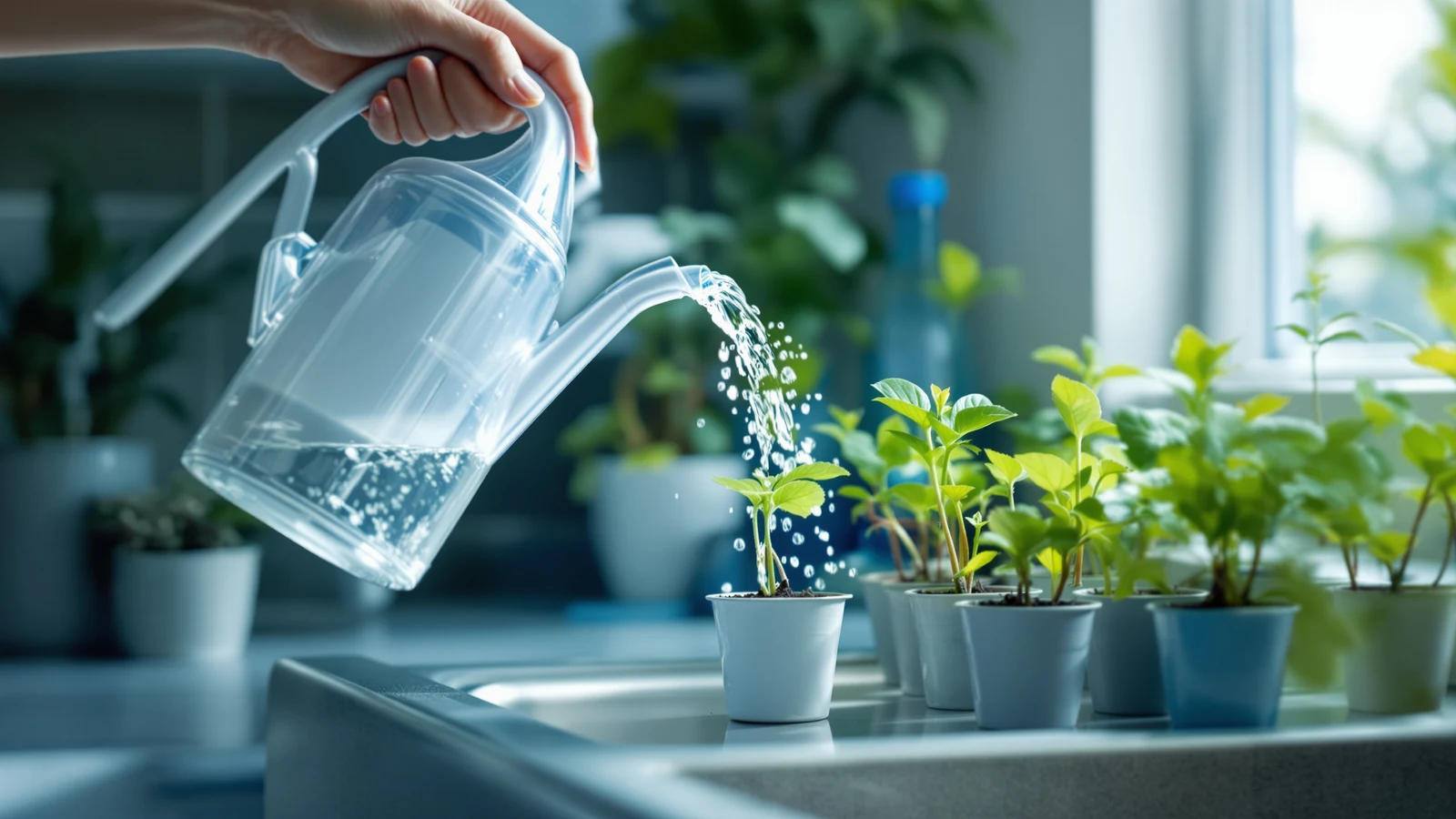
The plants with a real, well-documented sensitivity to tap water are a specific, fairly short list, not "all houseplants." Carnivorous plants — Venus flytraps, sundews, pitcher plants — are the clearest case: they evolved in nutrient-poor bogs with naturally soft, mineral-free water, and the dissolved salts and chlorine in most municipal supplies are commonly cited as a leading cause of a slow decline in these species specifically, which is why rainwater, distilled water or RO water is the standard recommendation for them rather than a nice-to-have. Delicate seedlings generally sit in the same category for a different reason: a young taproot has none of the buffering capacity a mature root system has, so the same chlorine level a six-month-old plant shrugs off can set back a two-week-old one.
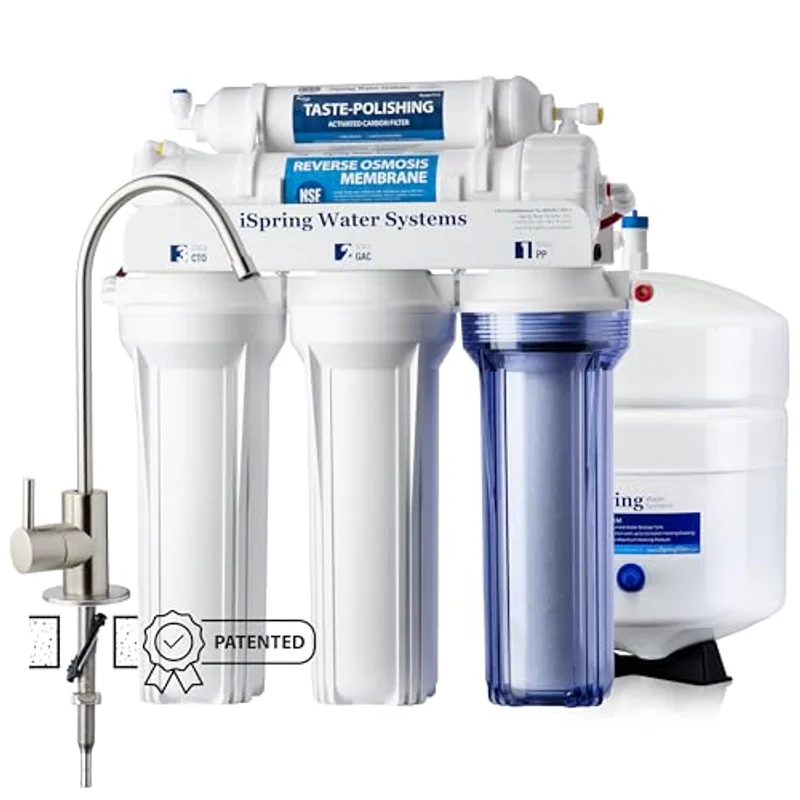
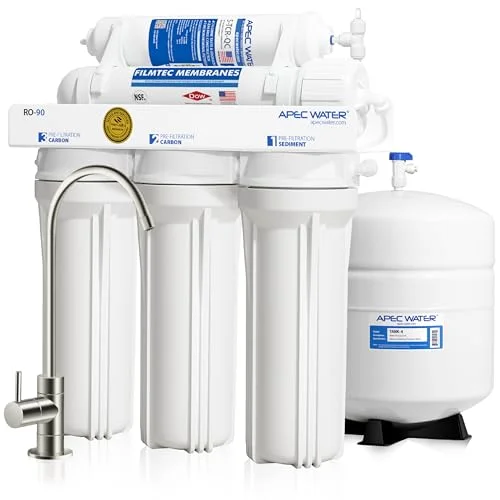
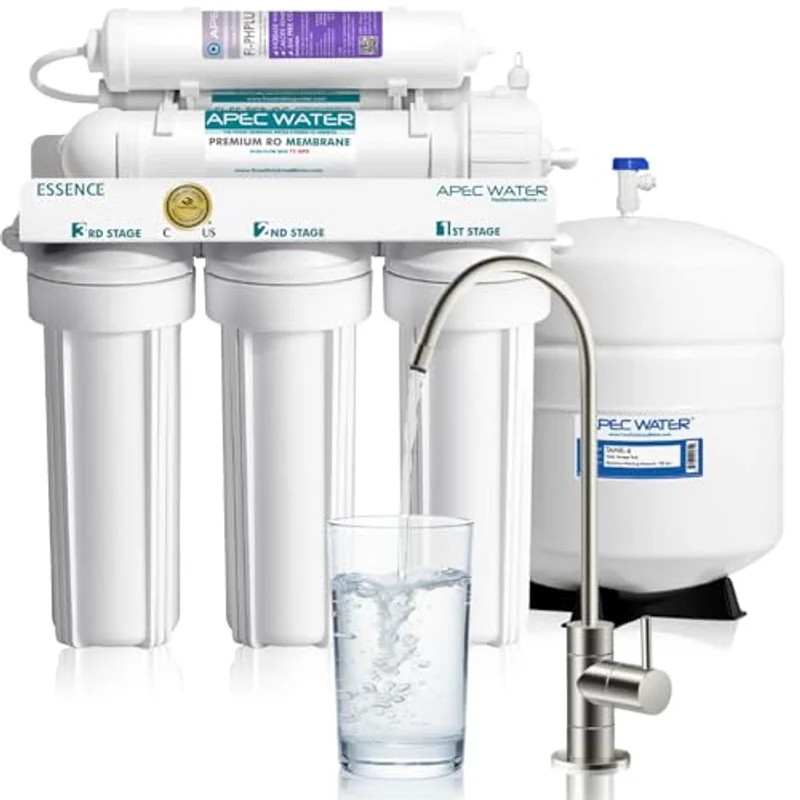
A second group is sensitive less to chlorine and more to accumulated salts and alkalinity over repeated waterings. Acid-loving plants — blueberries, azaleas, many ferns — want soil in a specific lower pH range, and tap water that runs alkaline (common where municipal supplies are treated with lime, or anywhere on hard groundwater) slowly pushes container soil pH upward with every watering, in a way open-ground plantings rarely experience because rain and drainage keep diluting and flushing it. African violets and some orchids are commonly flagged for the same accumulated-salt sensitivity, plus a specific intolerance for fluoride that shows up as brown leaf-tip scorch over months of tap watering. What the membrane removes versus what carbon removes matters here too — chlorine and chloramine are stopped mainly by the carbon stages ahead of the membrane, not the membrane itself, which is why a system's carbon-stage quality matters as much as its GPD rating for this specific use.
Everything else on the list is more tolerant than growers often assume. Succulents, most vegetables, most common houseplants and the bulk of what's in a typical outdoor bed handle tap water fine, especially if it's left in an open container for a day so chlorine (though not chloramine, which doesn't off-gas the same way) has a chance to dissipate before use. If nothing you grow is on the sensitive list above, RO water is solving a problem you don't have — which is also the honest answer to a question we'll come back to directly in the FAQ below.