Why adjusting a remineralization stage isn't the same as a dedicated mineral dosing kit
The specialty coffee world also sells a second, more precise tool for this exact problem: small mineral concentrates or dosing packets, mixed by the drop or teaspoon into distilled or RO water to hit a specific, repeatable recipe — a stated calcium-to-magnesium ratio, a stated TDS number, a stated alkalinity. That is a fundamentally different mechanism from an inline mineral or alkaline cartridge, and the difference matters more than it looks.
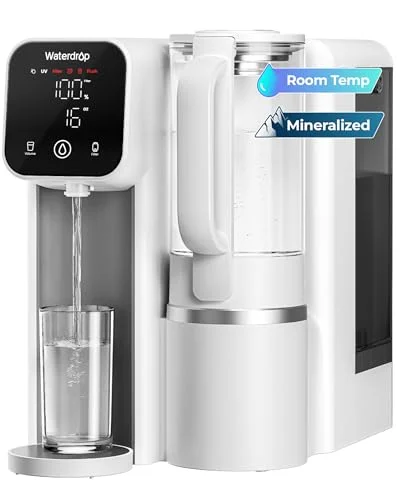
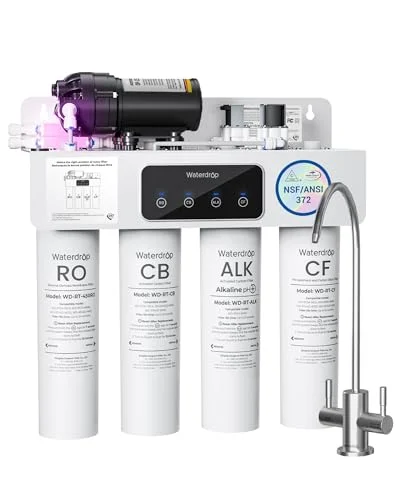
An inline cartridge is passive contact media — crushed mineral stone or a calcite blend that water flows past on its way to the faucet. How much mineral content ends up in the water depends on flow rate and contact time, and it drifts as the media ages across the cartridge's service life: fresh out of the box is not the same output as a cartridge nearing its replacement interval. There's no dial, no readout, and no way to adjust the dose on a given day — only a wholesale cartridge swap, down the road, for a different one. A dosing kit is the opposite: measured, repeatable, and adjustable in real time by how much you add, which is precisely what lets a home barista target a specific recipe instead of a reasonable approximation.
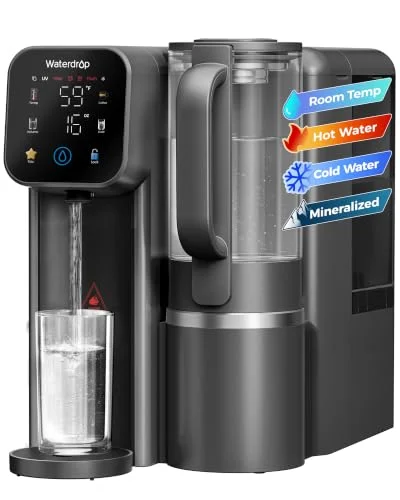
Neither approach is wrong; they solve different problems. A built-in mineral or alkaline RO stage gives every tap in the house — drinking glass, kettle, ice maker, coffee reservoir — a baseline that is better than zero, with no daily effort. A dosing kit gives one batch of water, prepared for one purpose, a number you actually chose. If your goal is a specific, repeatable espresso recipe rather than "better than nothing for the whole house," the dosing kit is doing a job the cartridge was never built to do.