 Roundup
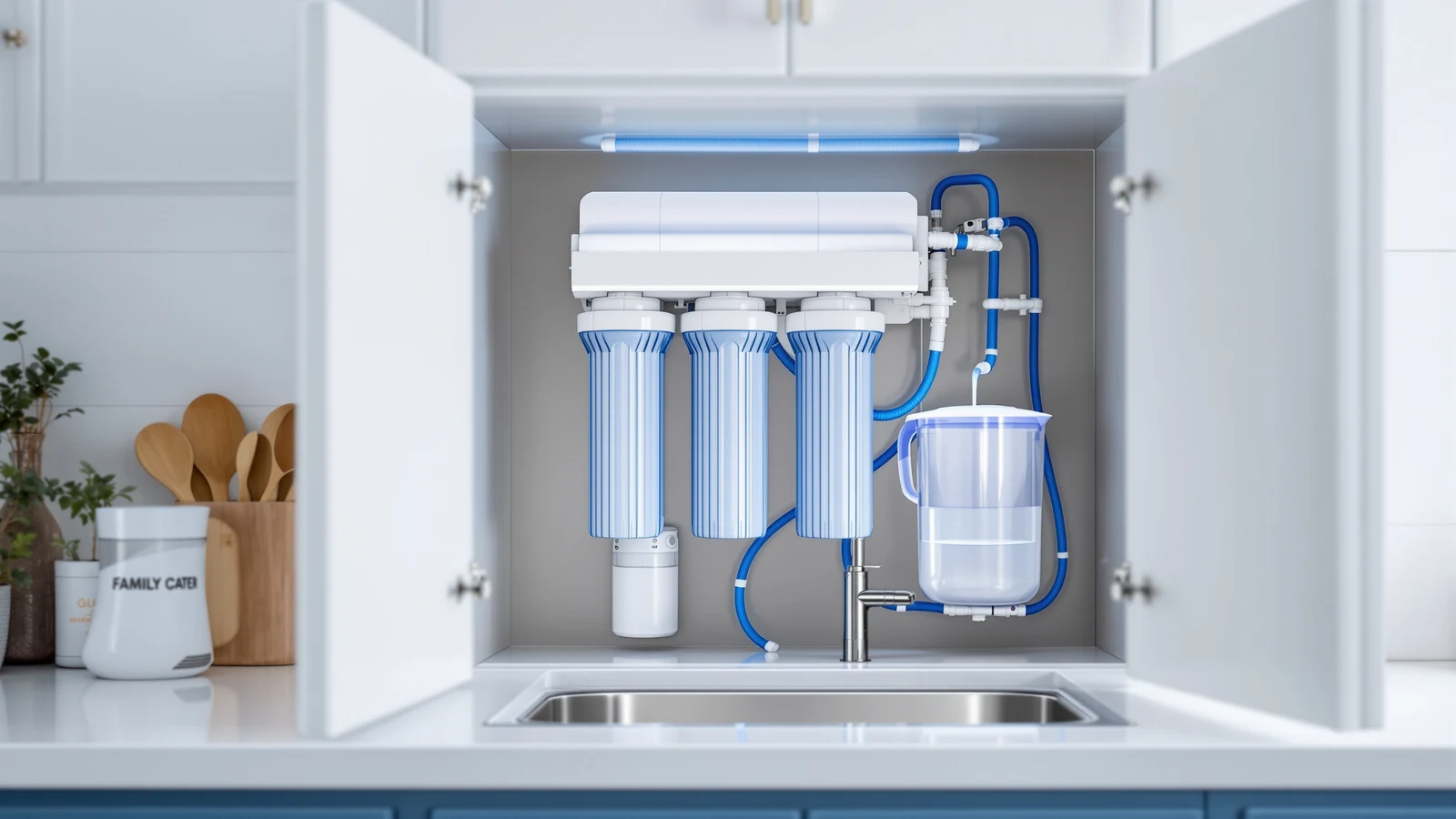
The Best Reverse Osmosis Systems for Large Families
Five people sharing one kitchen tap need more than a 400 GPD residential unit. Four tankless systems rated 600-800 GPD, and what that throughput actually buys at dinnertime.
 Honest take
Reverse Osmosis Water for Baby Formula: What to Know Before You Mix a Bottle
Pediatric guidance on water for formula is about minerals and fluoride, not brand names. General information worth knowing before you decide — not medical advice.
 Buying guide
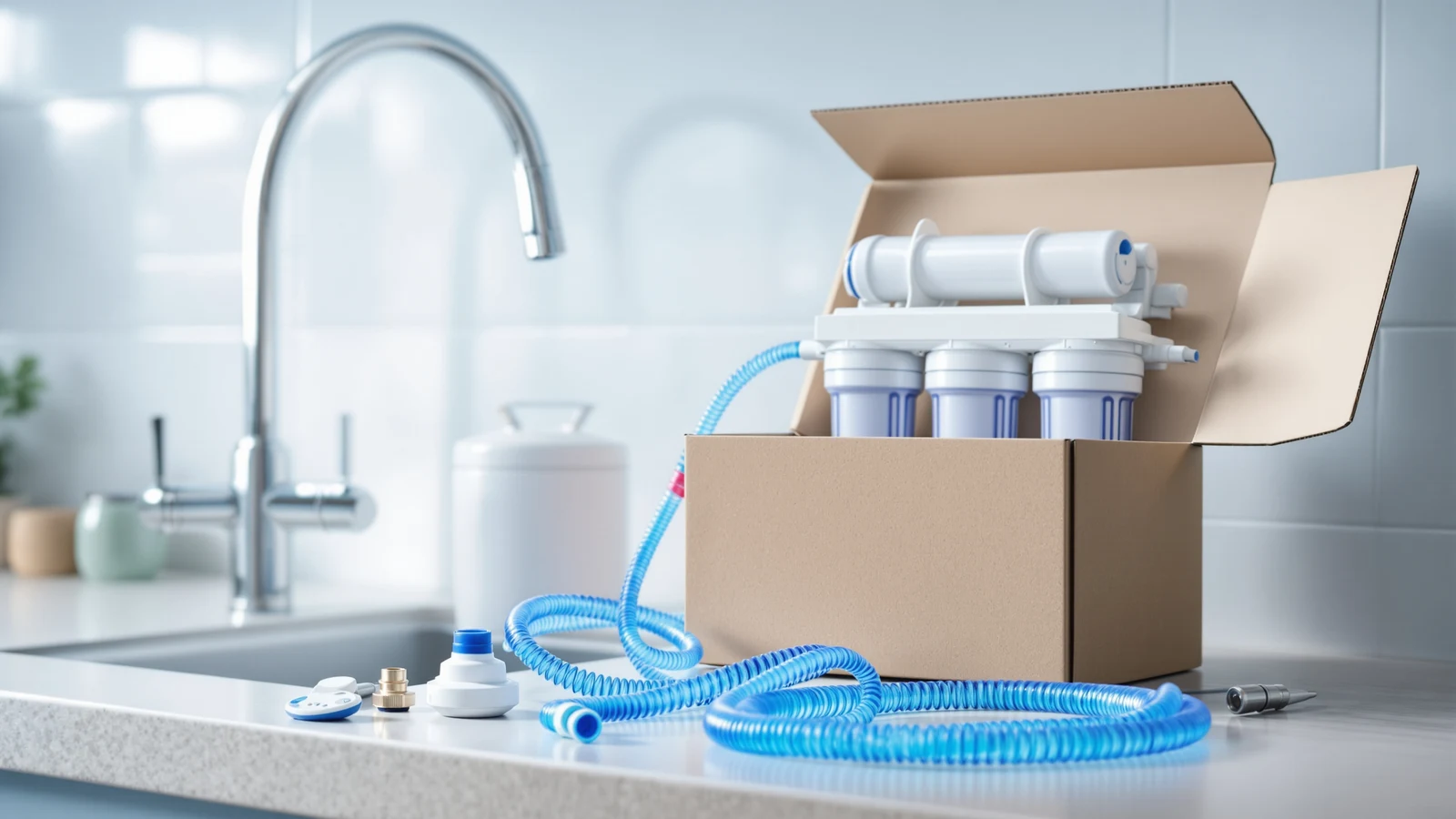
What's Actually in the Box: RO Installation Kits Compared Before You Buy Tools
Some systems ship with a leak detector and every fitting you'll need; others assume you already own compression adapters. What to check in the listing before the box arrives.
 Troubleshooting
New RO System Tastes Like Plastic or Chlorine? What's Normal and What Isn't
The first week's water can taste like the inside of the box it came in. How long that's supposed to last, what a lingering chlorine or metallic taste actually signals, and which stage is responsible.
 How-to
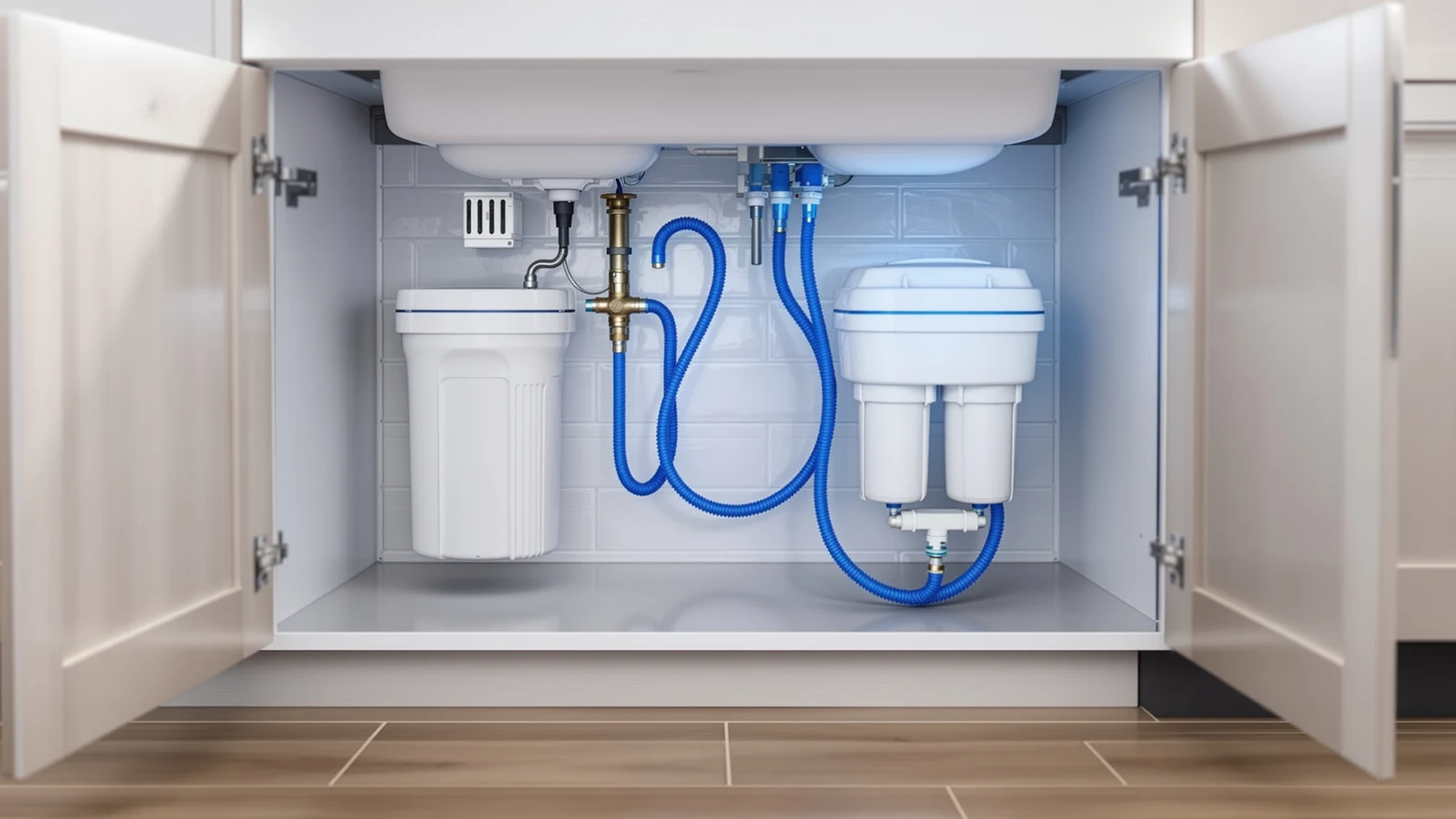
Plumbing RO Water to a Dishwasher or Coffee Maker (Not Just the Fridge)
The fridge line gets all the attention. What it takes to add a dishwasher, a coffee maker or a kettle tap to the same system — and which systems are actually built with a second line for it.
 Buying advice
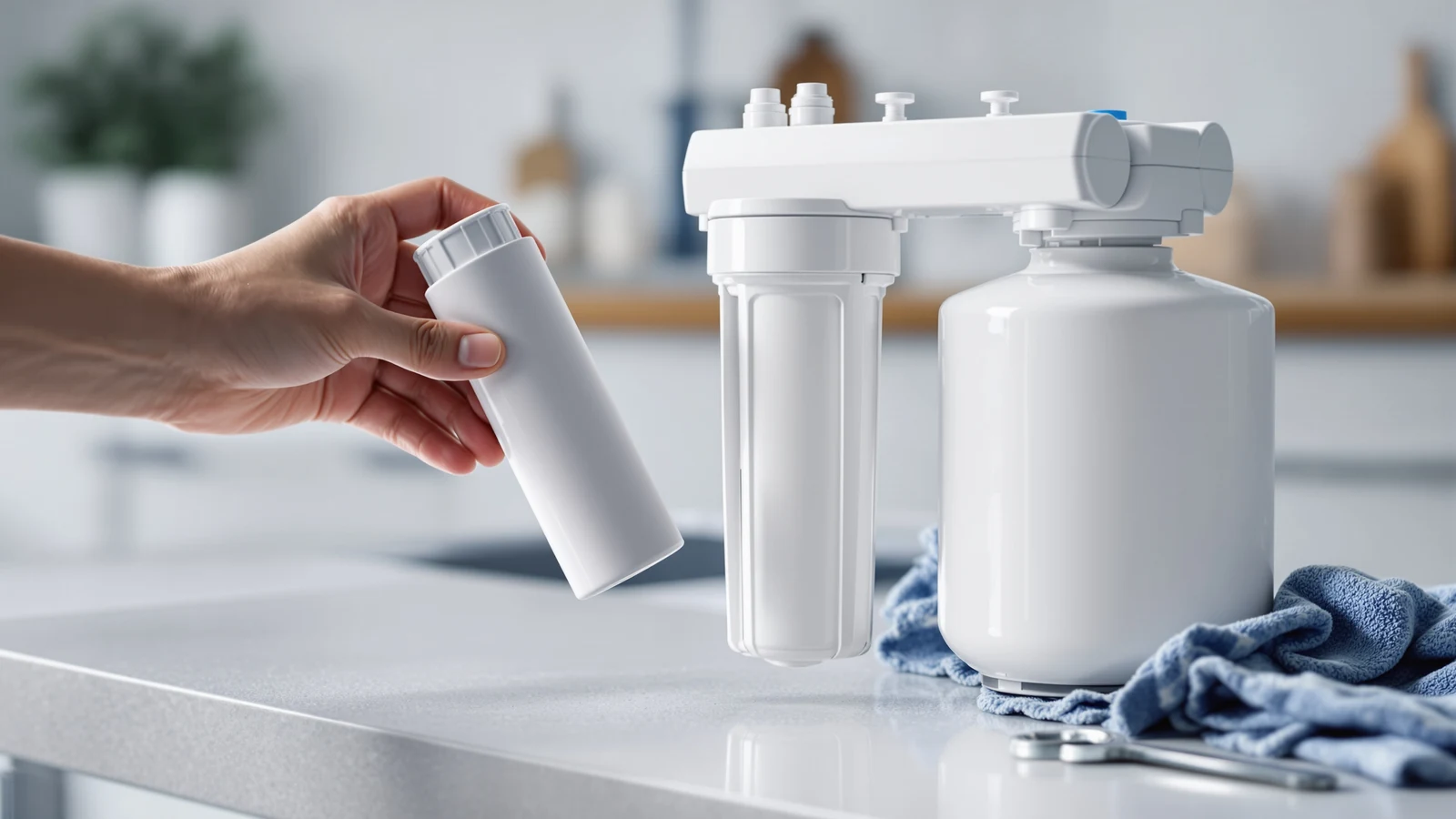
Proprietary Quick-Change Filters vs. Universal Housings: The Real Cost of Lock-In
A twist-and-pull cartridge changes in three seconds but only the manufacturer sells it. A standard 10-inch housing takes a wrench and five minutes — and any brand's cartridge fits. The trade-off, in dollars.
 Guide
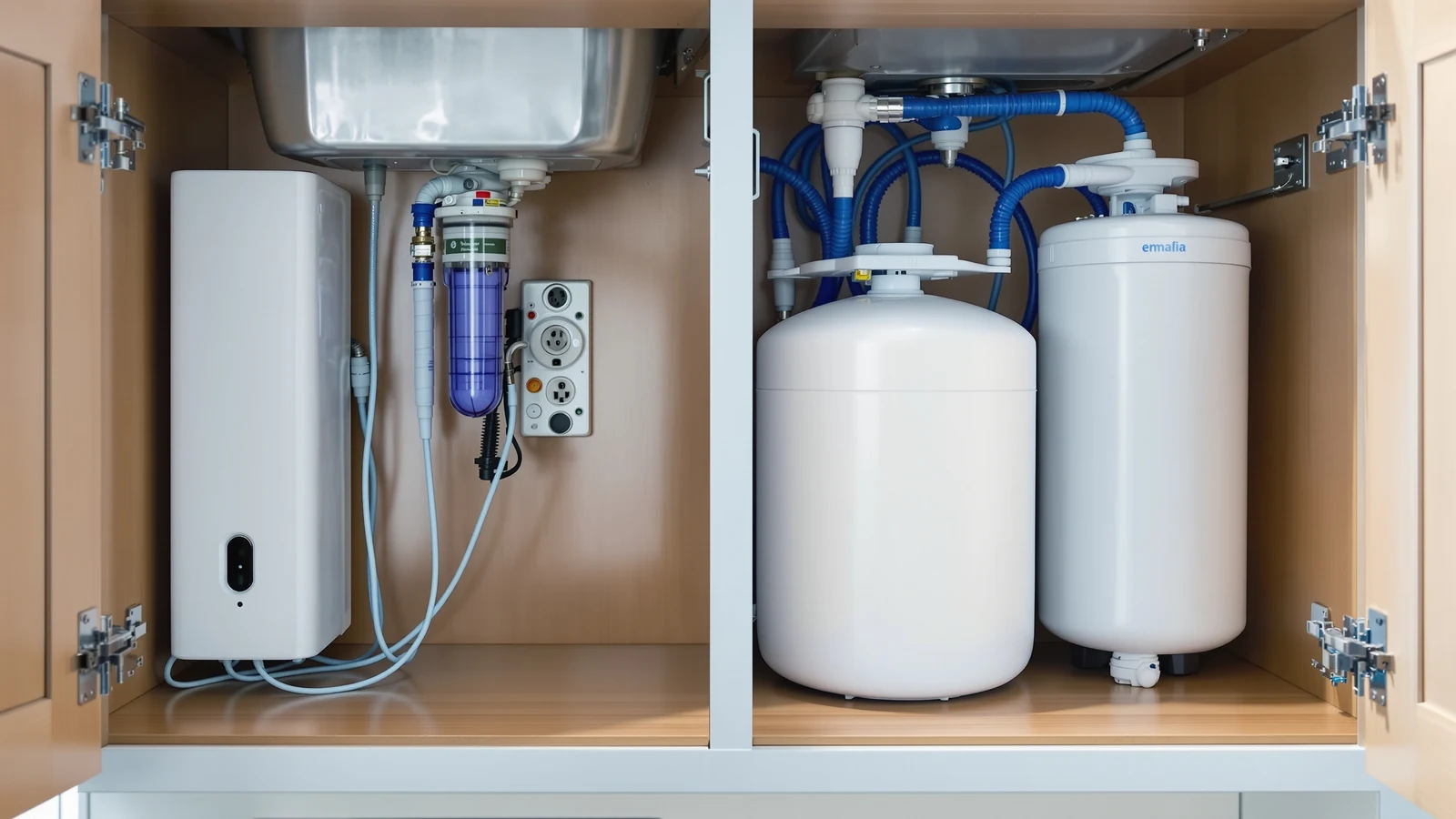
GuideElectric vs. Non-Electric Reverse Osmosis: Do You Need a Dedicated Outlet?
Tankless RO systems plug in; classic tank systems don't. What that difference costs in standby power and installation hassle, and what happens to each one during a power cut.
 Roundup
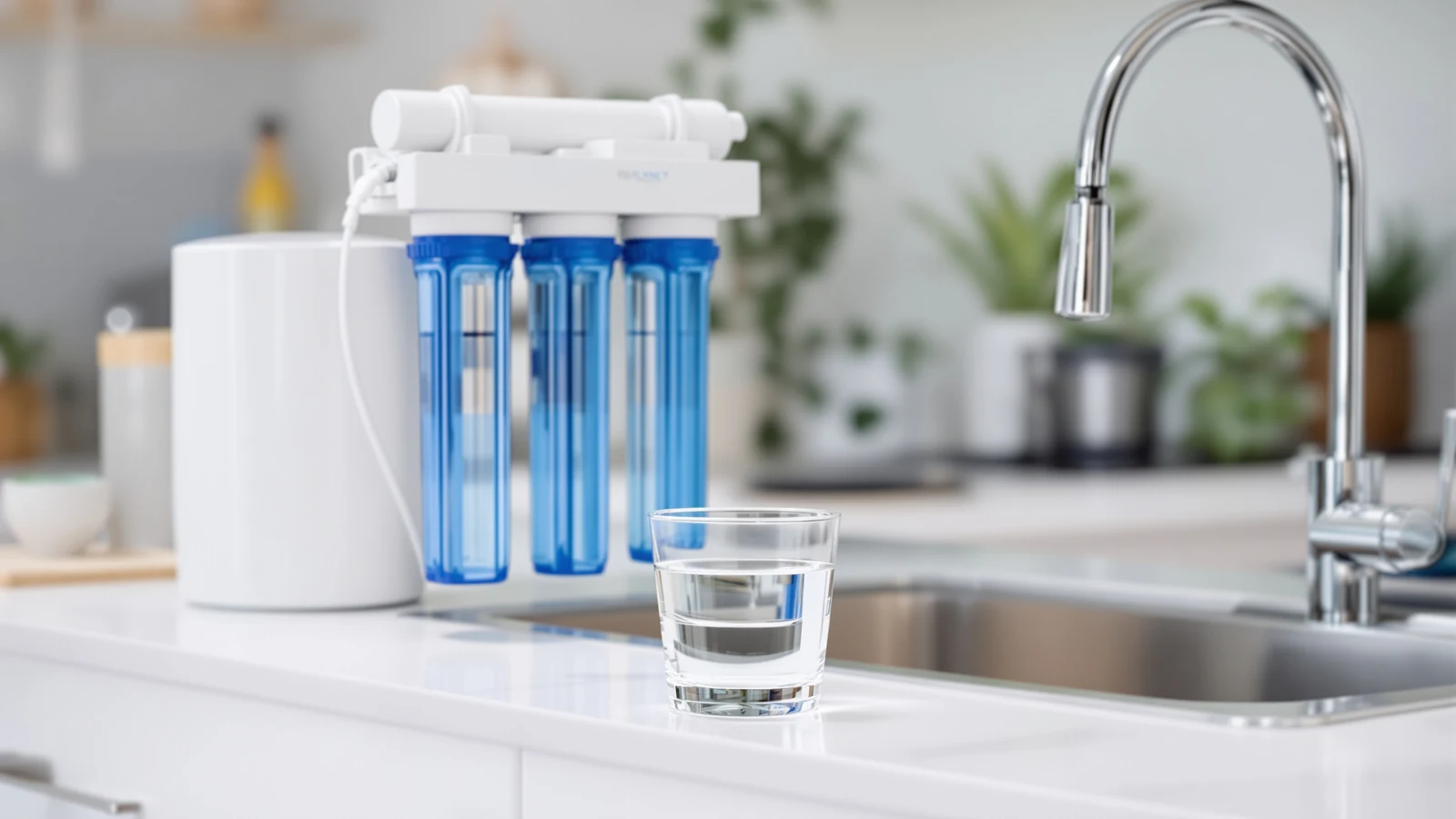
The Best Reverse Osmosis Systems for Renters
No drilling, no cutting the supply line, nothing the landlord can object to — and it leaves with you.
 Guide
GuideWhat Reverse Osmosis Actually Removes — and What It Misses
Lead, fluoride, PFAS, chlorine, bacteria: the membrane handles some of these outright, and leans on the other filters for the rest.
 Guide
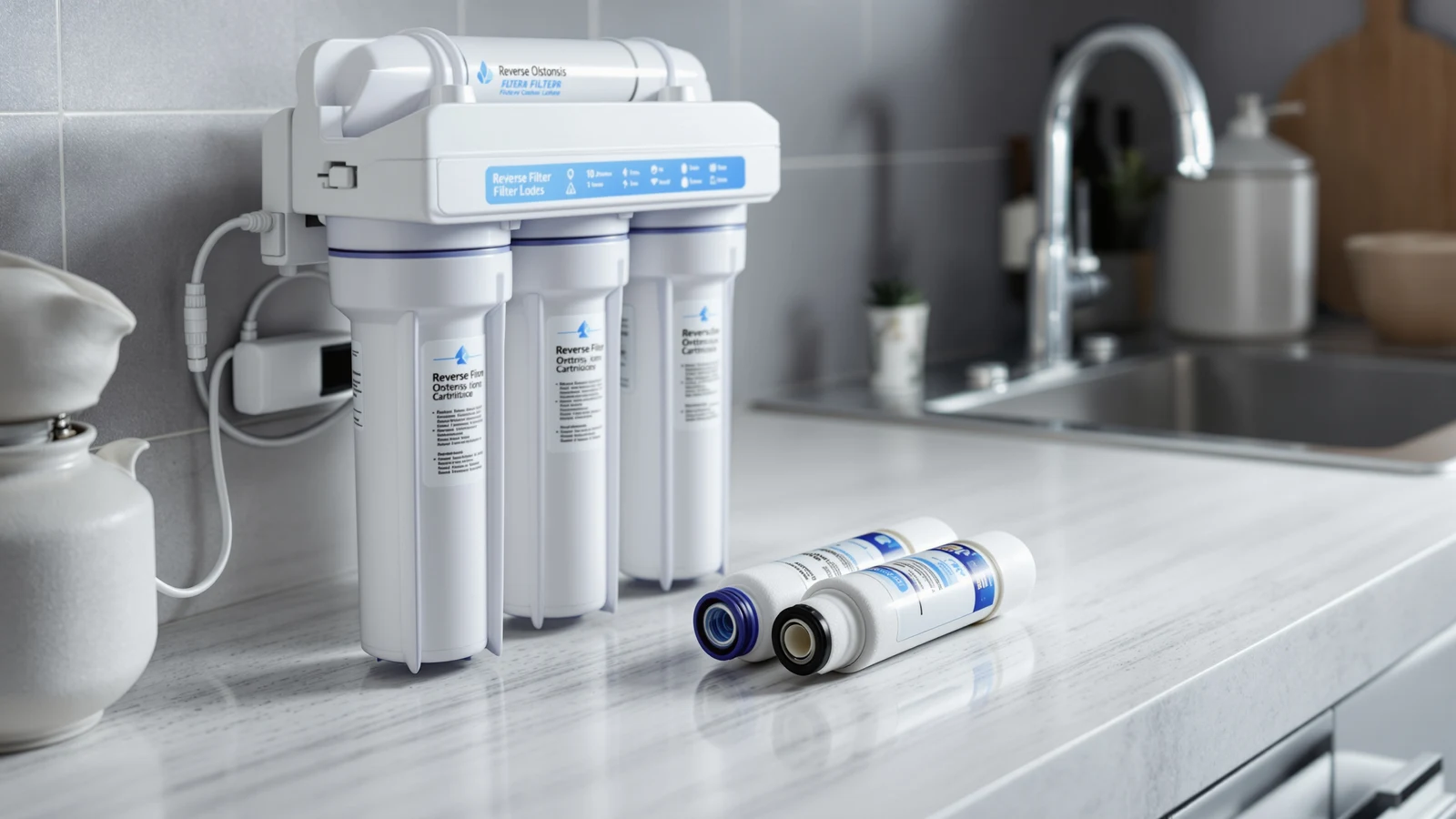
GuideHow Long a Reverse Osmosis System Lasts
The membrane outlives the pre-filters four times over, and the faucet outlives them all. Planning around that is what keeps the cost down.
 Guide
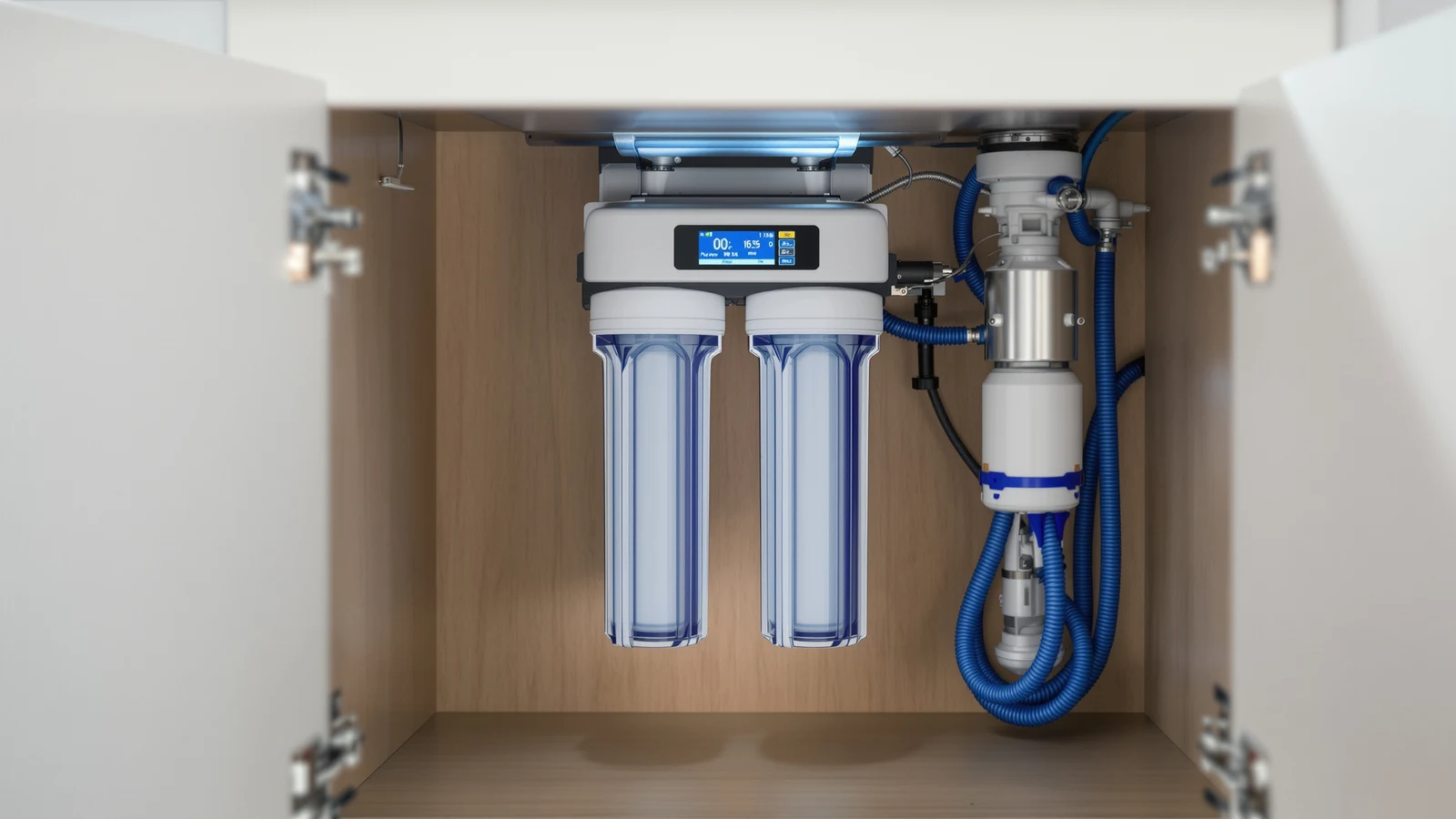
GuideRO Systems and GPD: What the Number Really Tells You
A 600 GPD system does not make 600 gallons a day in your kitchen. Here is what it does mean.
 How-to
How to Add an RO Faucet to a Sink With No Spare Hole
The air-gap hole, the soap dispenser sacrifice, and drilling granite without cracking it.
 Buying guide
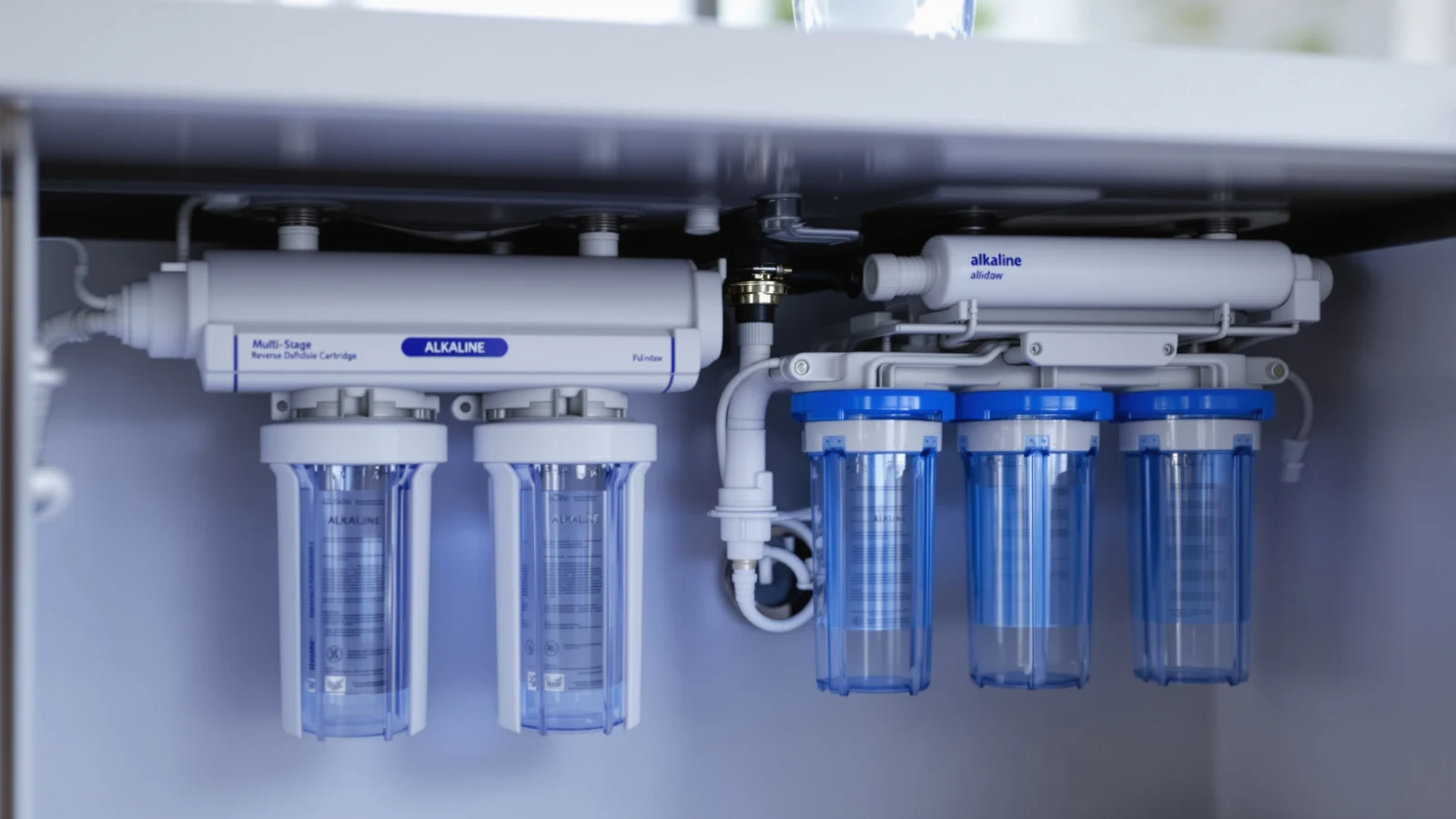
The Best Alkaline Reverse Osmosis Systems
A remineralization stage built in rather than bolted on. Which systems do it properly.
 How-to
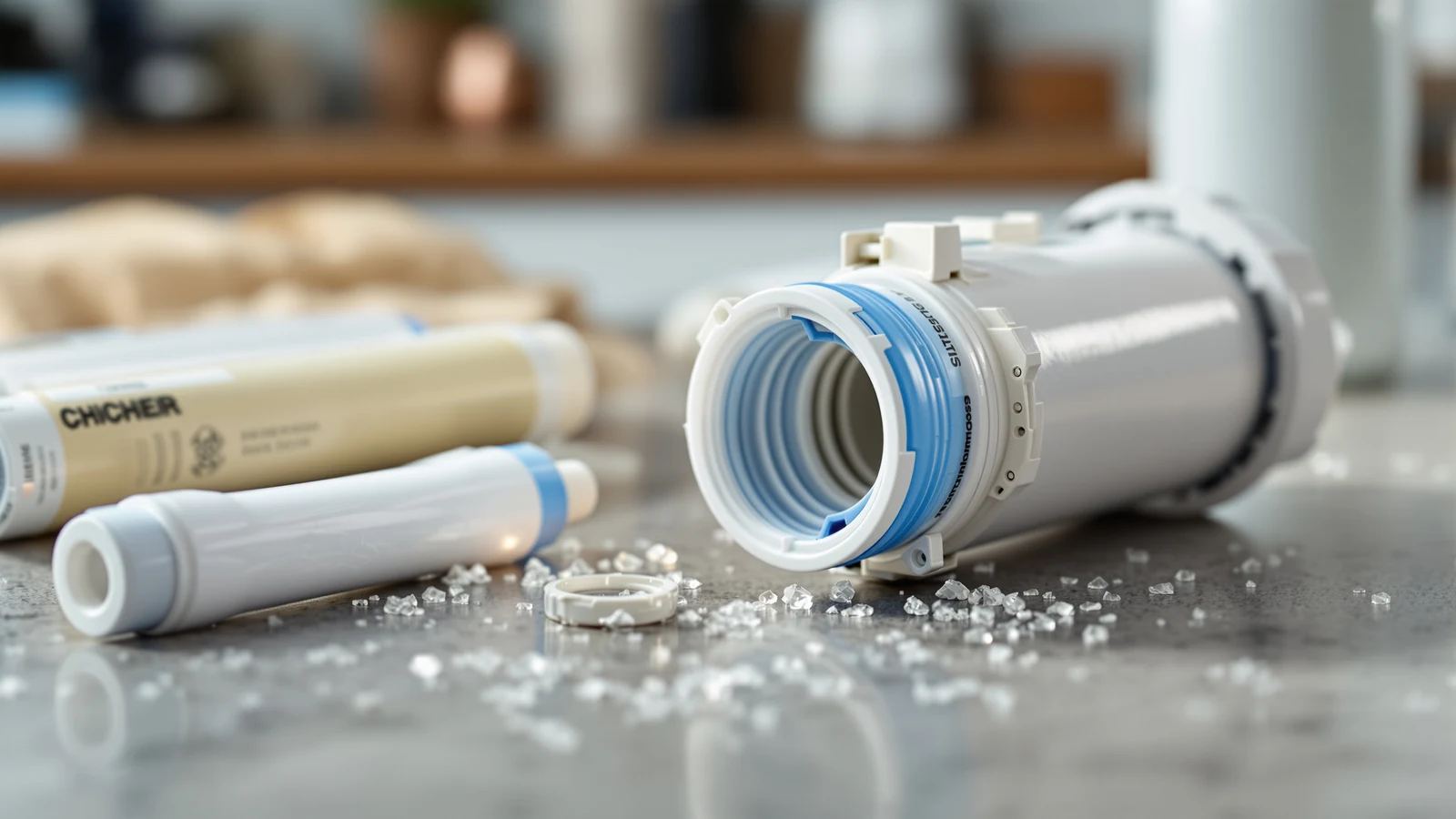
When to Replace an RO Membrane (and How to Tell)
The membrane is the expensive cartridge and the one people change on the wrong schedule.
 Buying guide
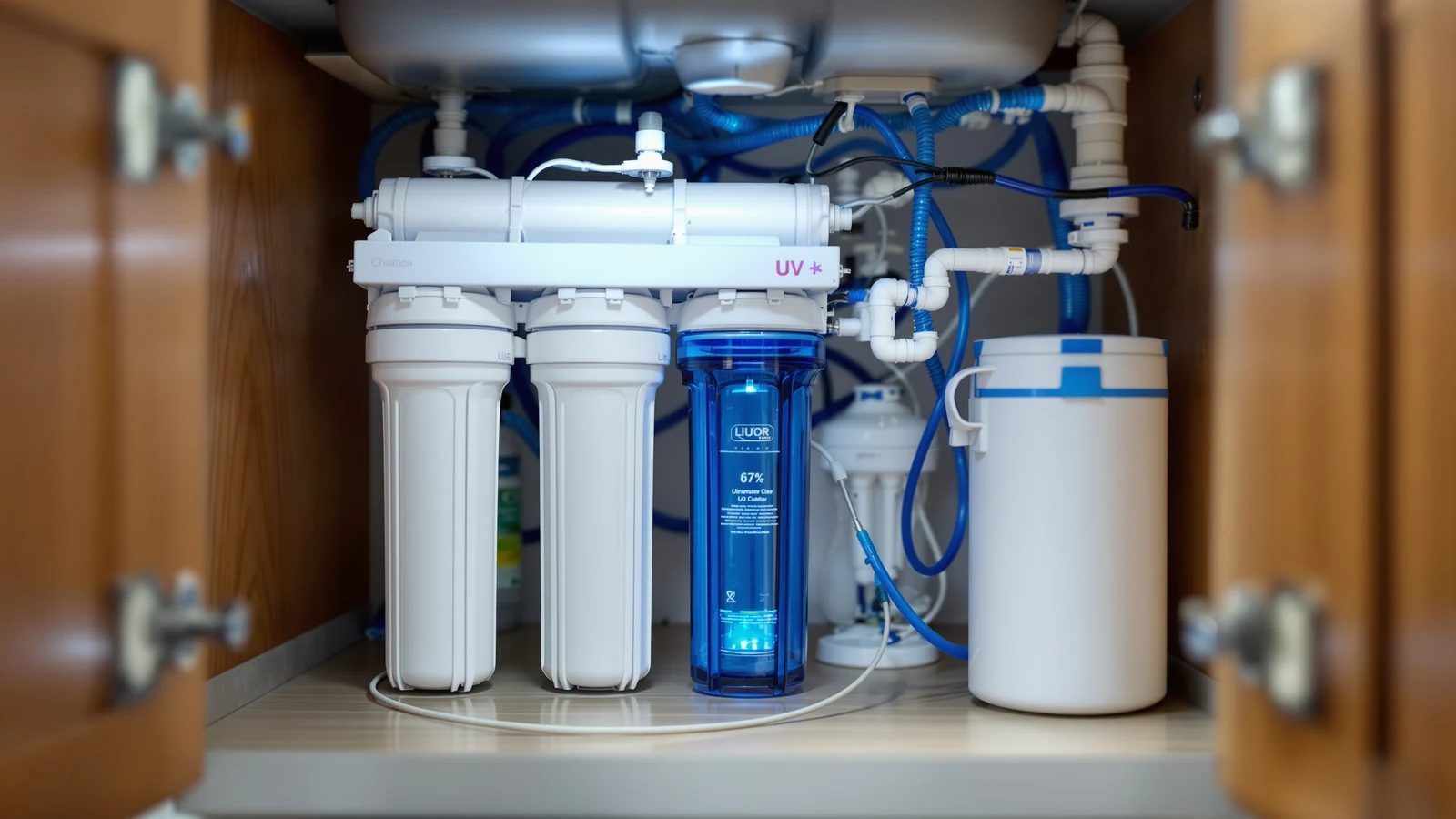
The Best Reverse Osmosis Systems With UV
RO removes almost everything; UV handles what survives. When the extra stage is justified.
 Guide
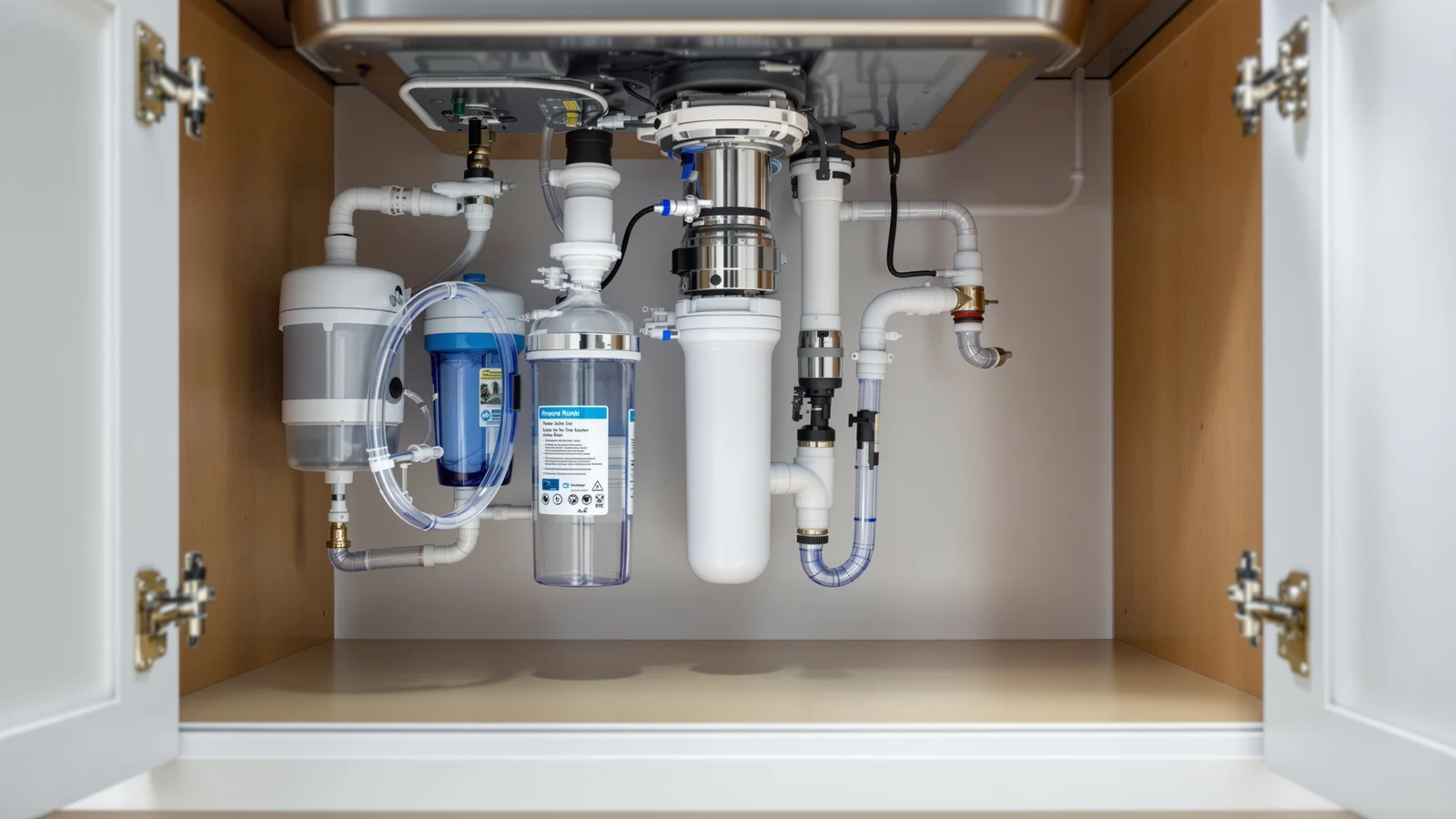
GuideThe RO Waste Water Ratio, Explained
Older systems send four gallons down the drain for every one they make. Here is what the ratio means and which systems changed it.
 Comparison
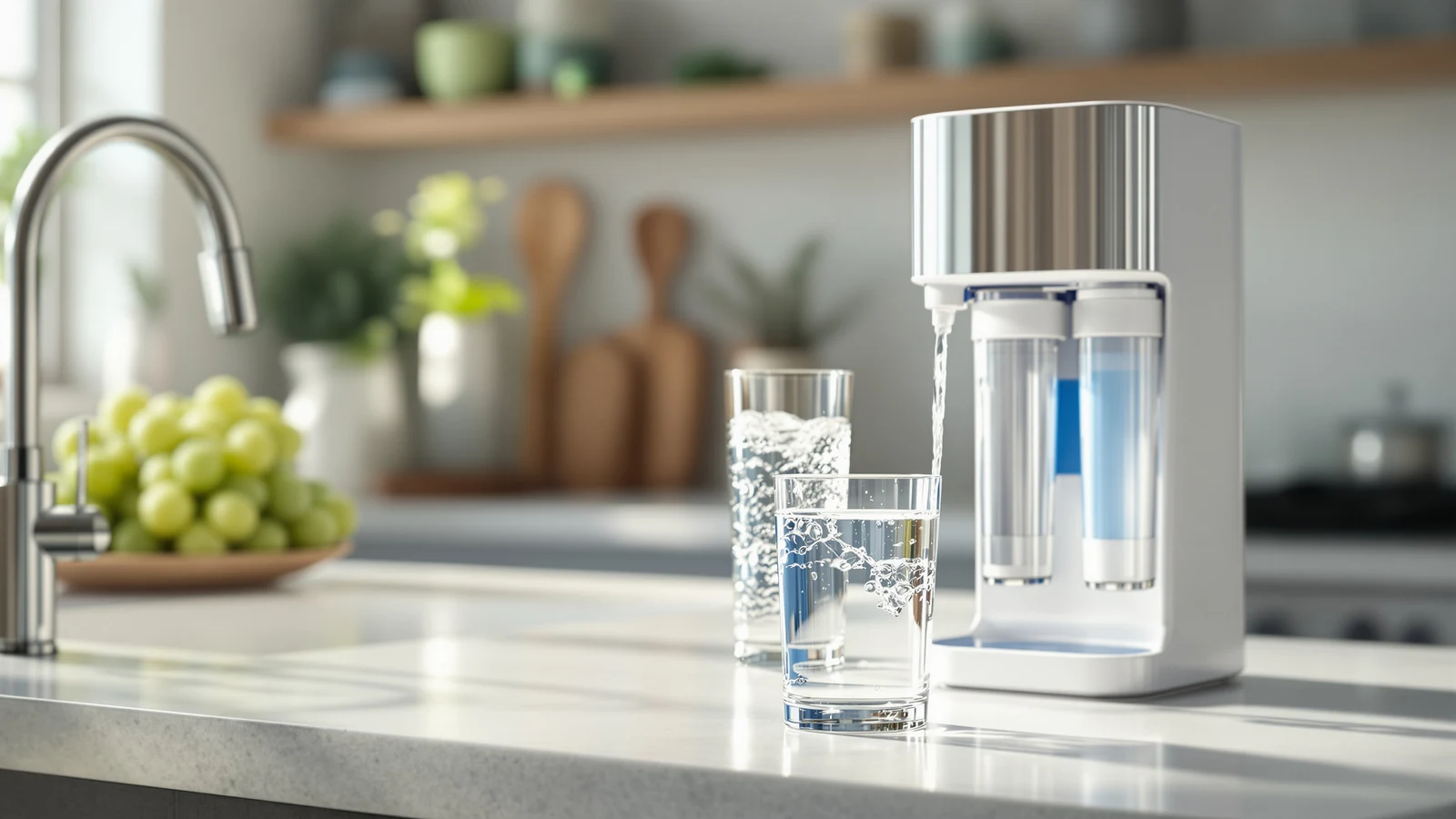
Reverse Osmosis vs Distilled Water: What Each One Removes
Two routes to very pure water, with different residues, different costs and different jobs.
 Guide
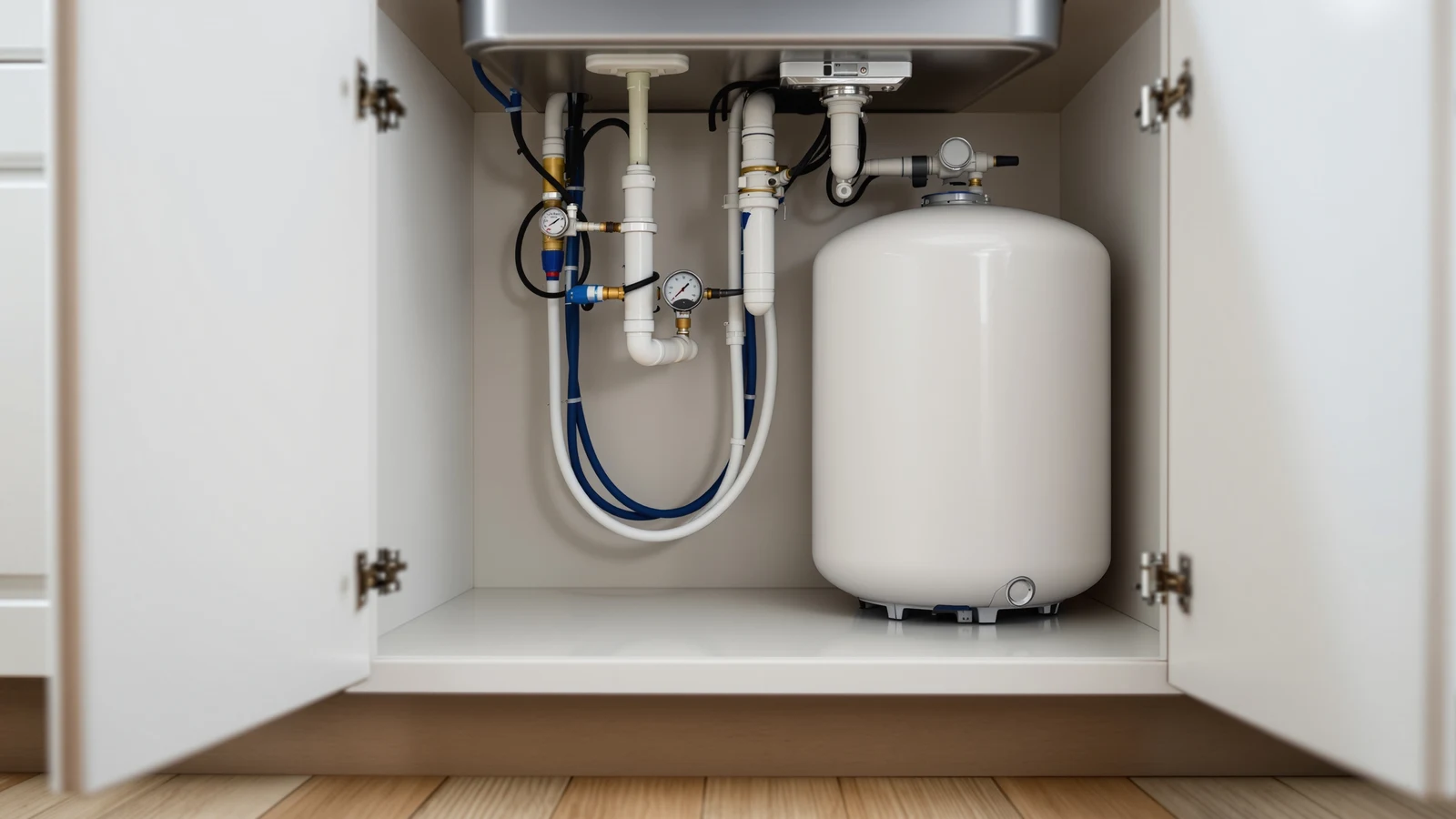
GuideThe RO Storage Tank: Pressure, Size, and Why Yours Runs Out
A four-gallon tank does not hold four gallons. Here is why, and how to bring a slow one back.
 Buying guide
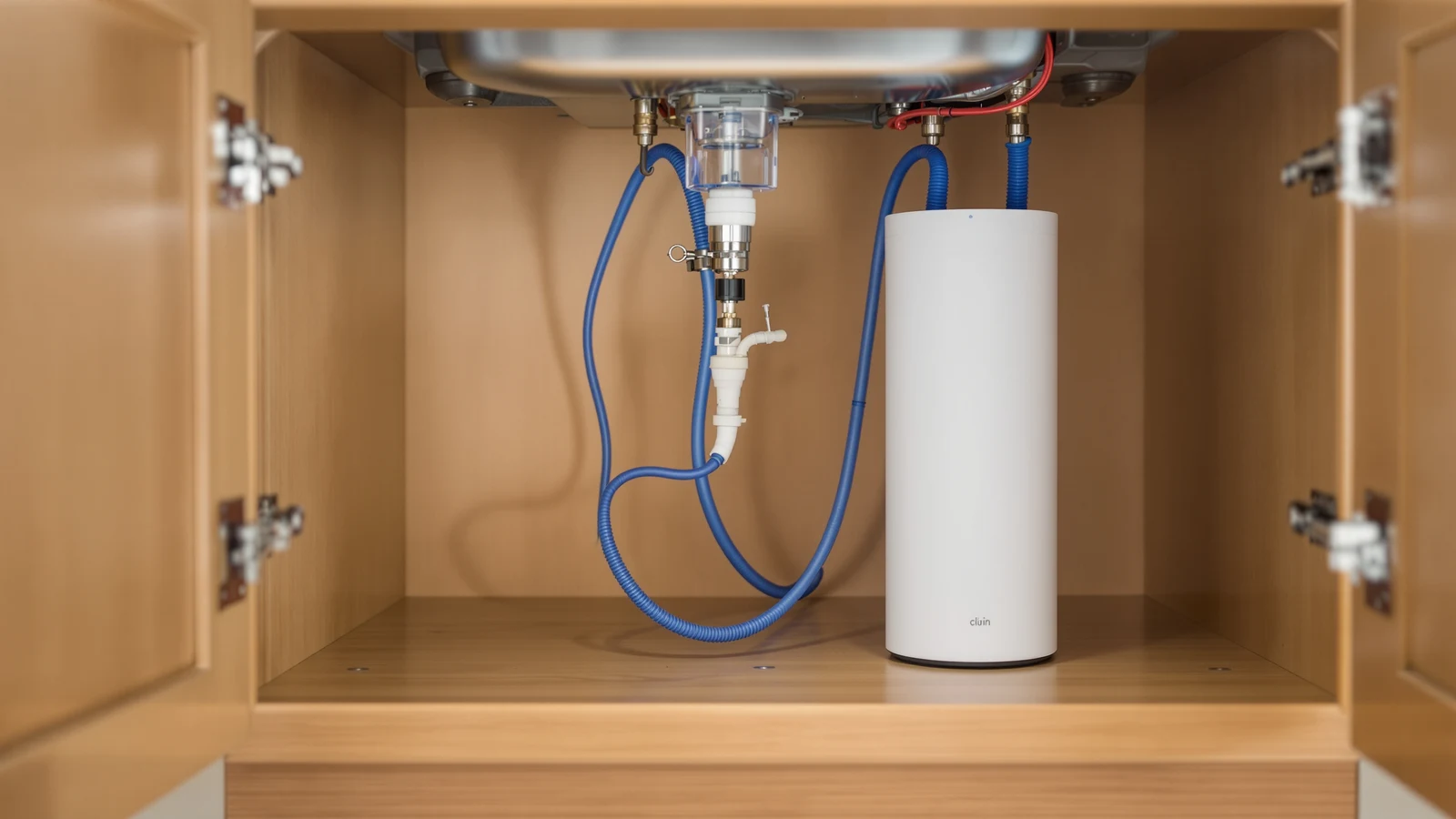
The Best Tankless Reverse Osmosis Systems
No pressure tank means no stale water and half the cabinet space. What you trade for it, and which units actually deliver.
 Guide
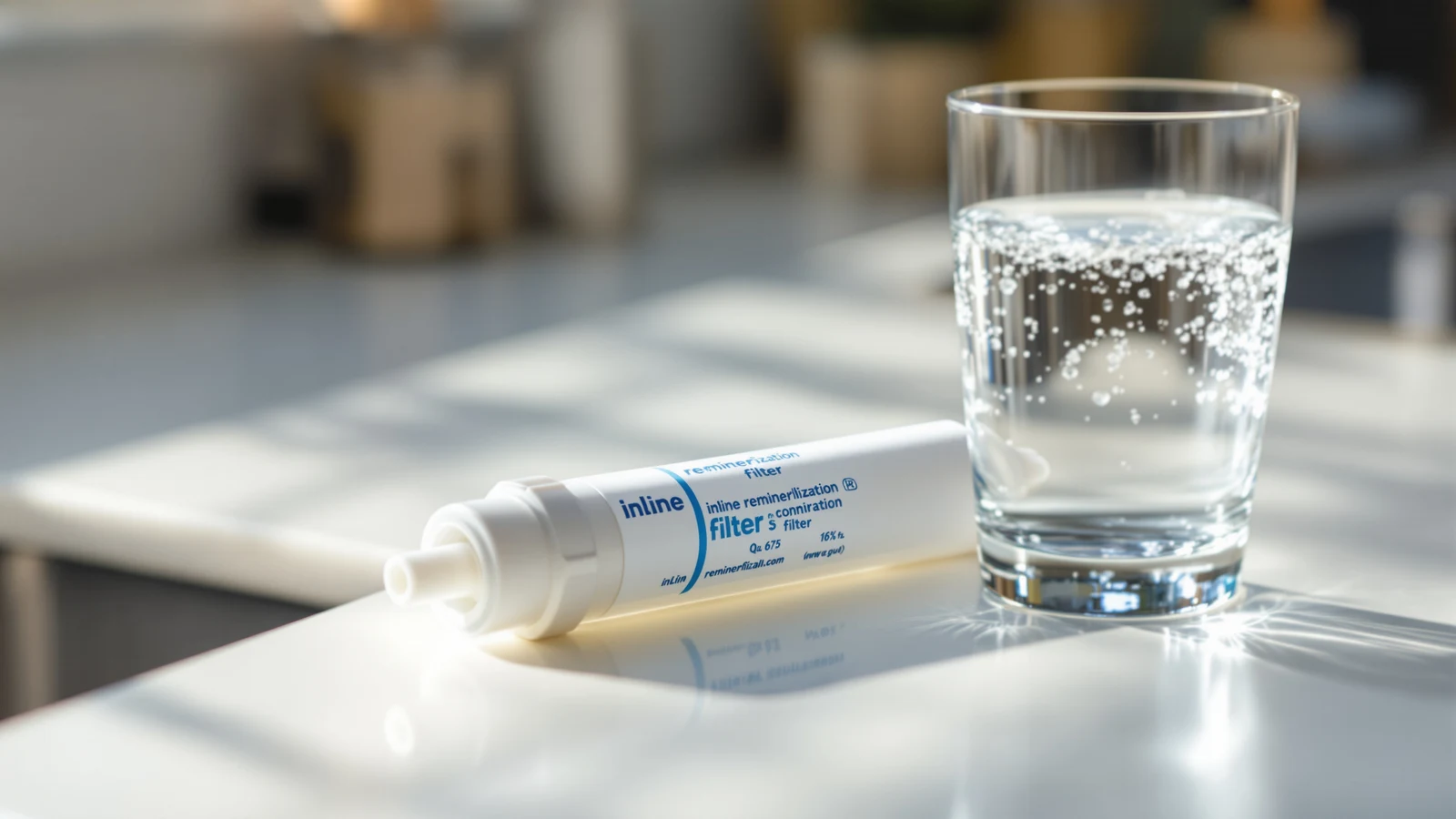
GuideRemineralization Filters: What They Add Back, and Whether It Matters
Reverse osmosis strips calcium and magnesium along with everything else. Here is what putting them back does to the taste.
 Buying advice
NSF 58 vs NSF 372 vs WQA: What RO Certifications Actually Mean
One certifies that the system removes contaminants. One certifies that its plastic is lead-free. Manufacturers rely on you not knowing the difference.
 Troubleshooting
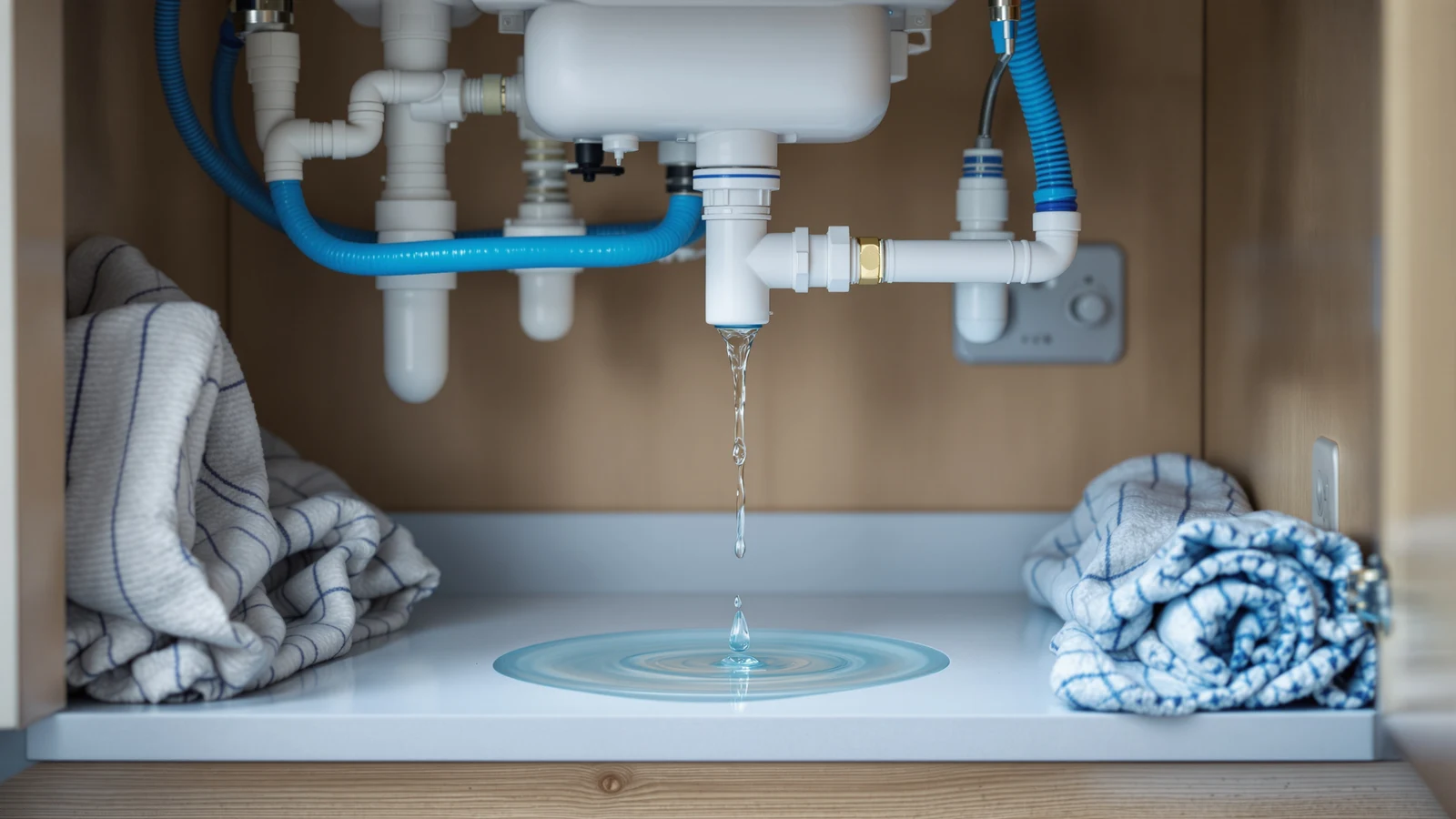
RO Troubleshooting: Leaks, Gurgles and the Faucet That Never Stops
Nine symptoms, what each one usually is, and the order to check them in — before you replace a part that was never broken.
 Comparison
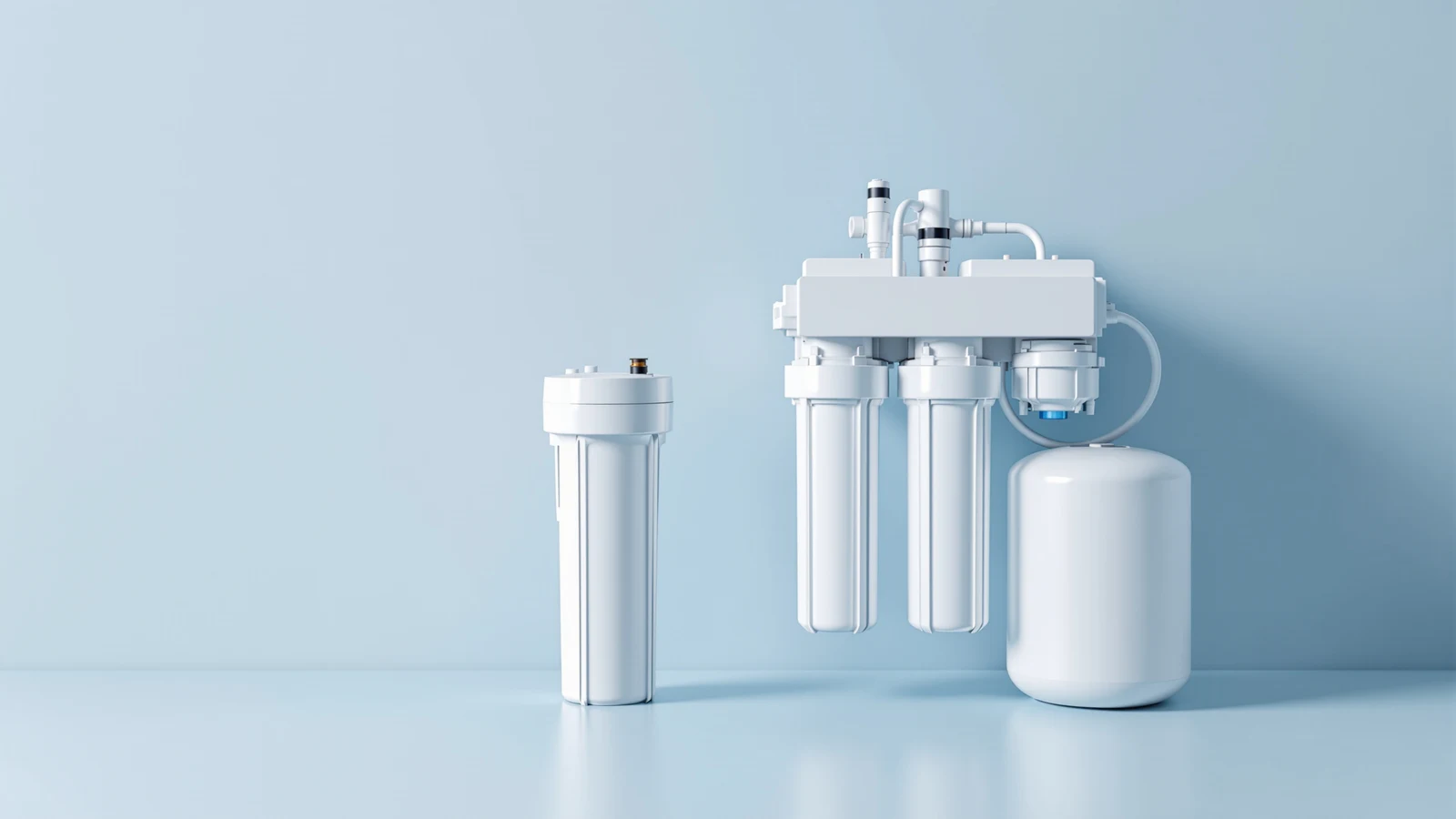
Under-Sink Carbon Filter vs Reverse Osmosis: Which Do You Need?
A $95 carbon block fixes taste, chlorine and some contaminants with no drain line and no waste. Here's exactly where it stops and RO becomes necessary.
 Budget picks
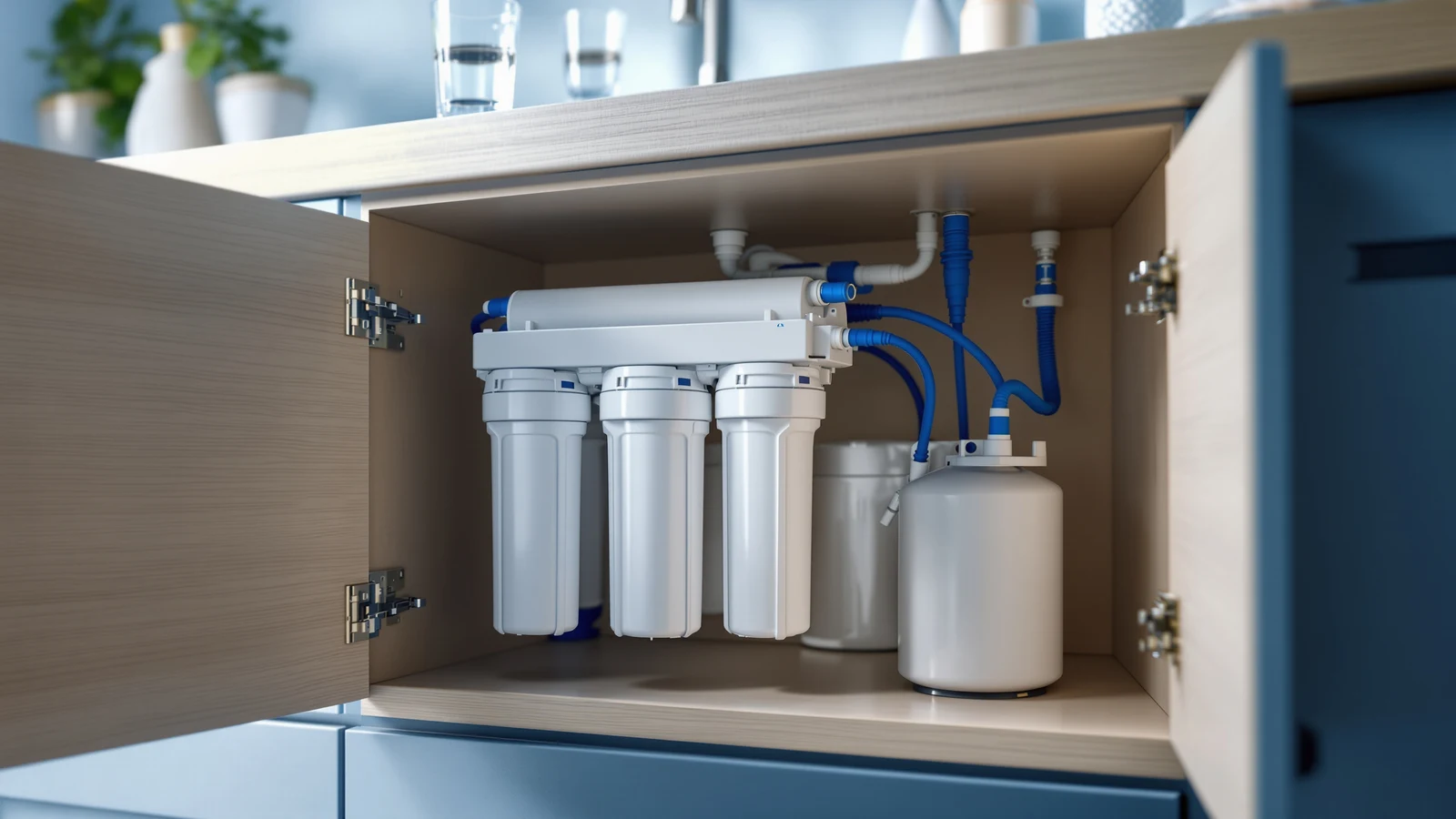
The Best Reverse Osmosis Systems Under $250
Six systems at the price where most people actually buy — what the budget tier gives up, and the two that give up almost nothing.
 Water quality
Your TDS Meter Says 12. What Does That Actually Mean?
The number every RO owner watches, and the four things it cannot tell you. How to read it, when it signals a dying membrane, and why low TDS isn't the same as safe.
 How-to
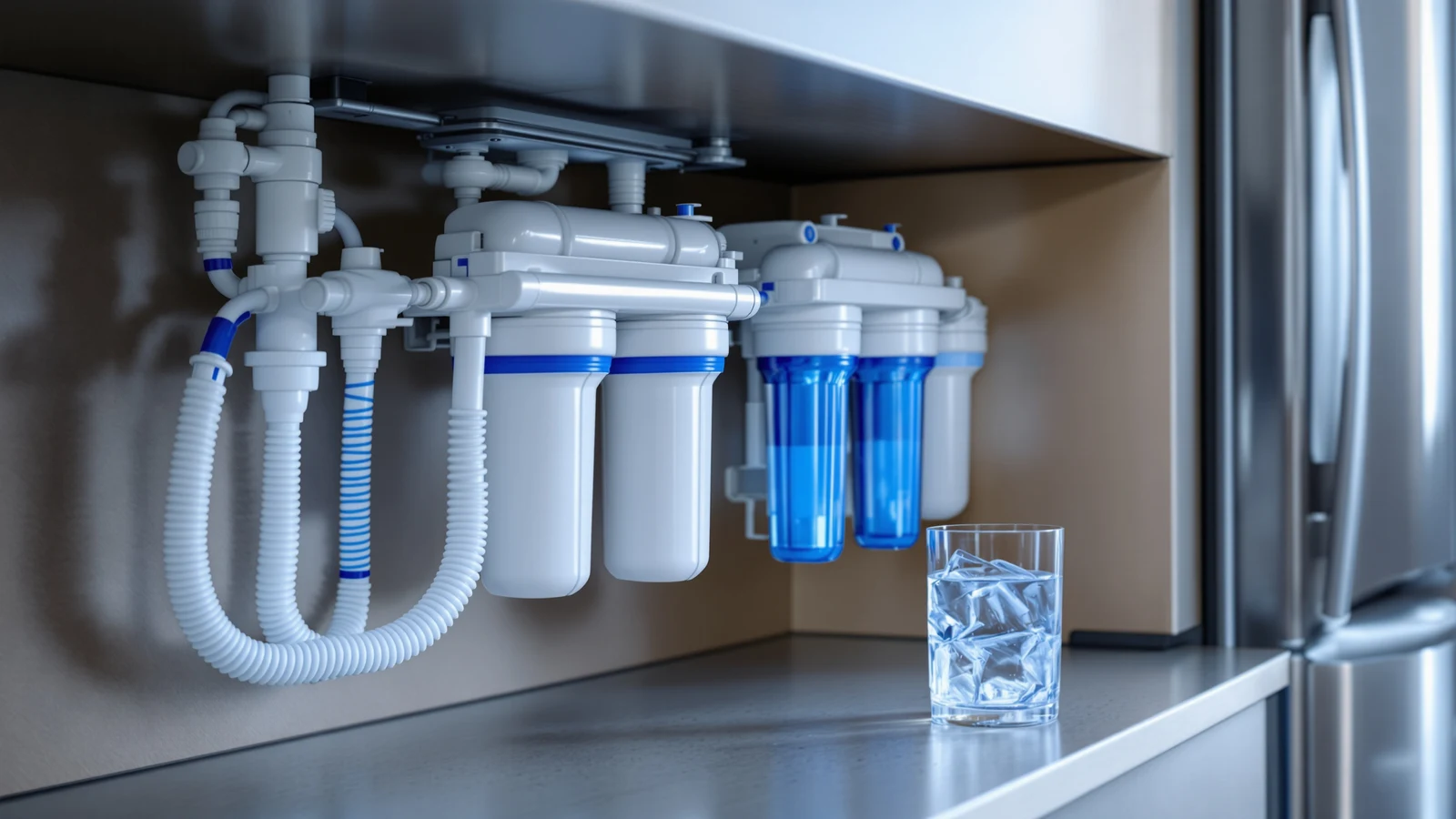
Running RO Water to Your Fridge and Ice Maker
The tee, the tubing run and the pressure problem nobody warns you about — how to feed a fridge from an under-sink system without starving the faucet.
 Troubleshooting
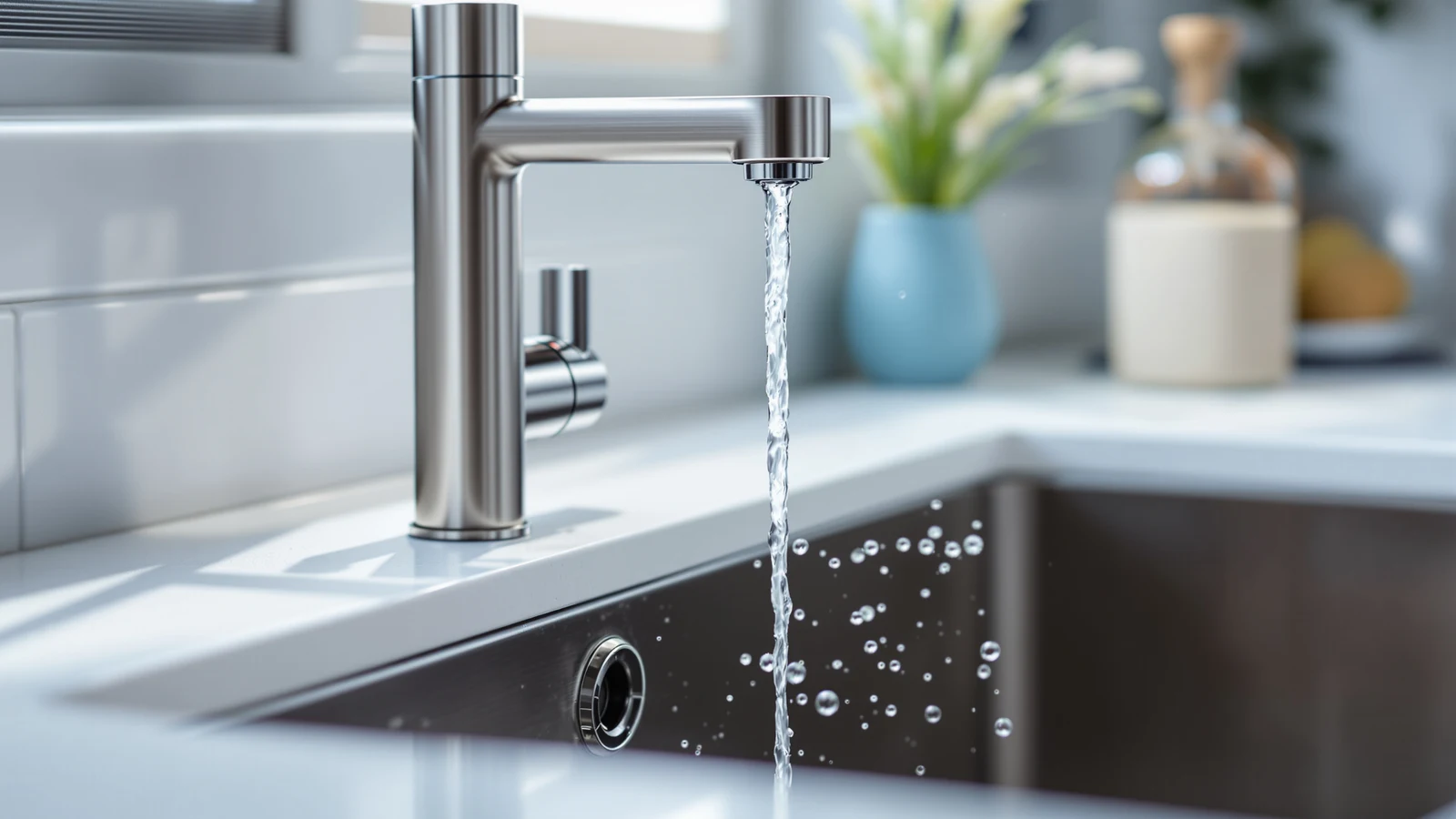
Why Your RO Faucet Trickles: Pressure, GPD and Flow, Explained
GPD is a rating, not a promise. What incoming pressure, temperature and a tired membrane do to the water that actually reaches your glass — and how to fix a slow faucet.
 How-to
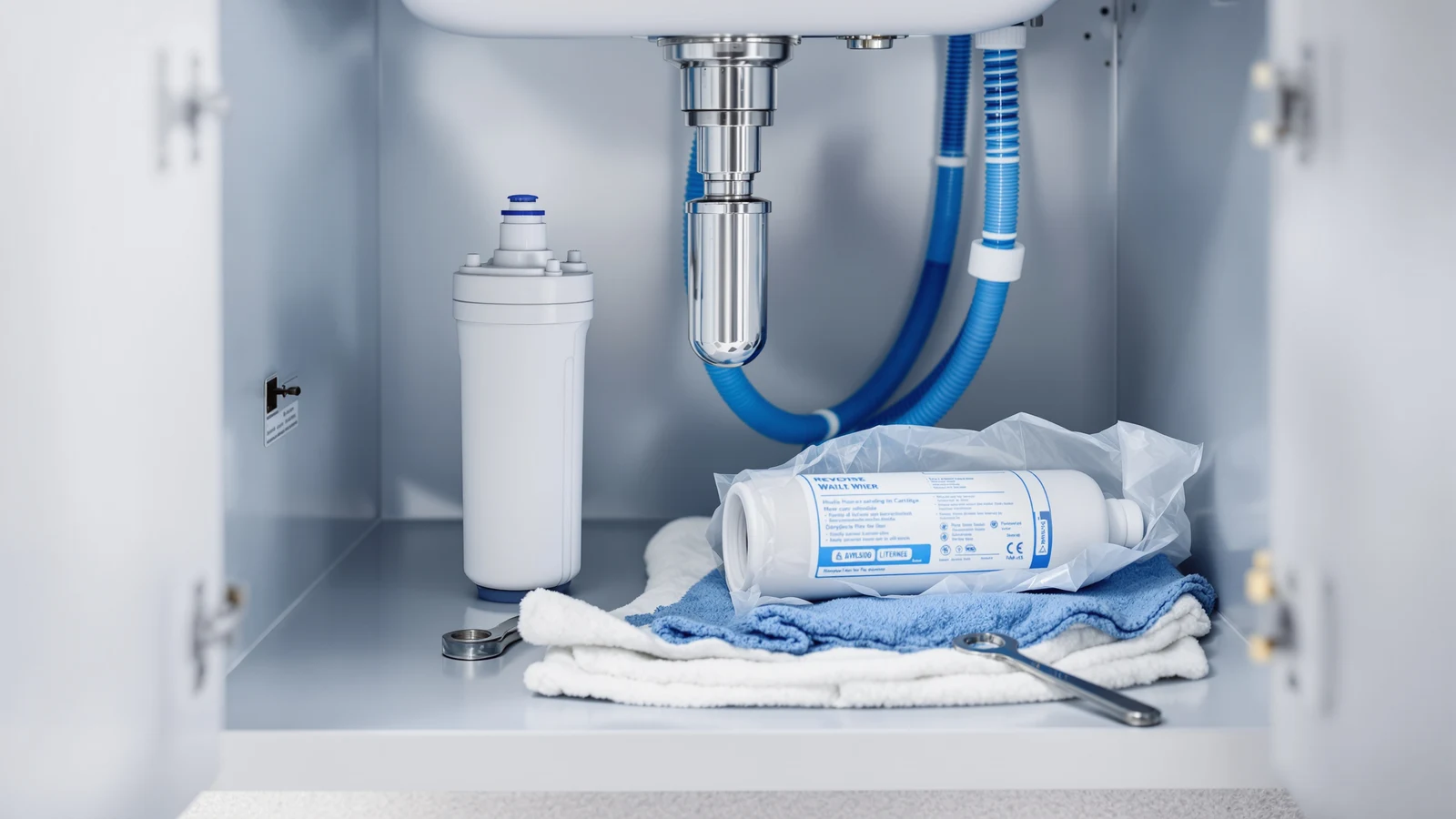
How to Sanitize an RO System (and Change Filters Without Wrecking It)
The step most owners skip: sanitising at cartridge changes. The full routine, the mistakes that contaminate a clean system, and what to do about a stagnant tank.
 Water quality
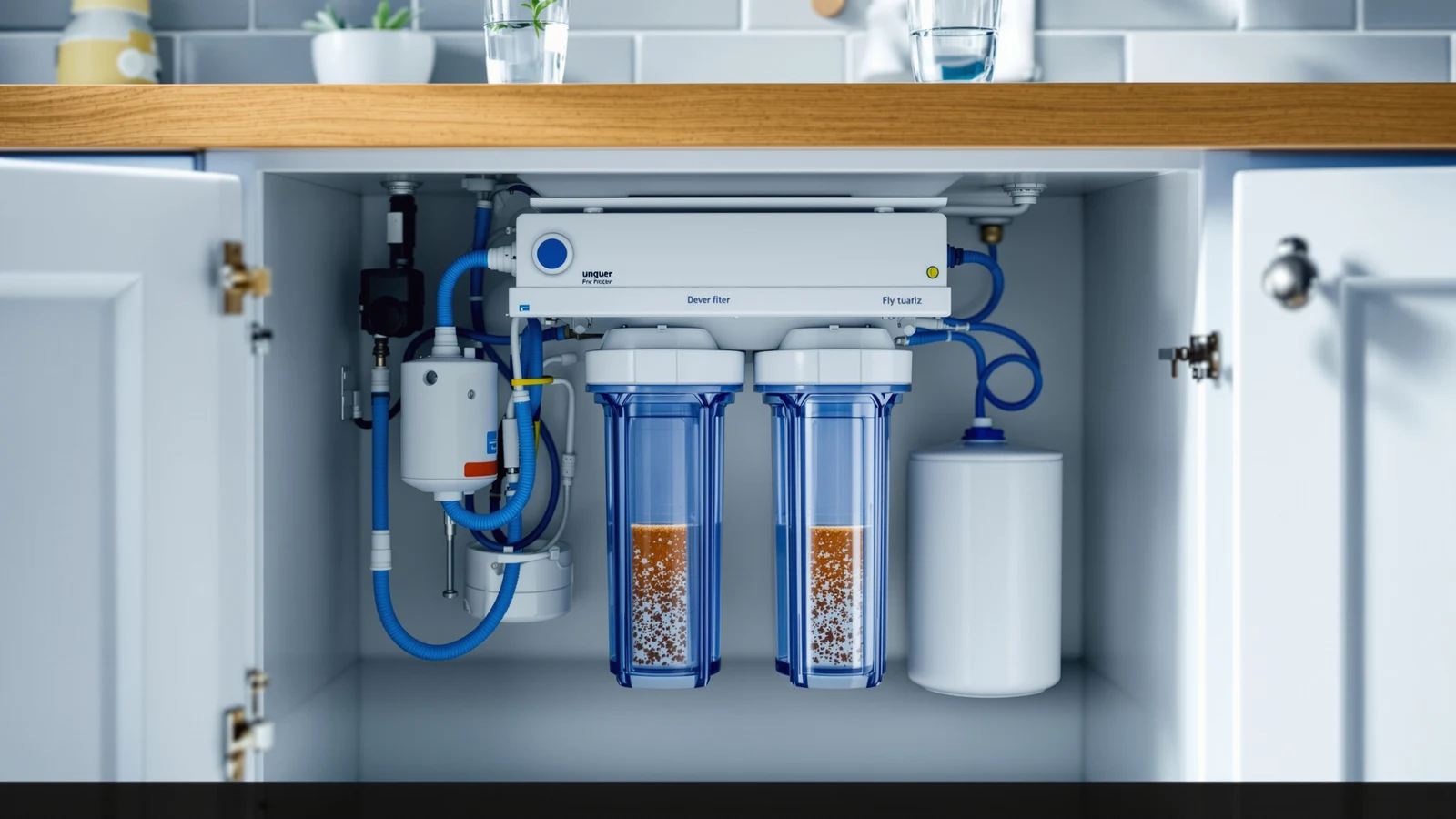
Reverse Osmosis for Well Water: What It Fixes and What It Won't
Sediment, iron, hardness and bacteria wreck ordinary RO systems. The pre-filtration order that keeps a membrane alive on a private well — and the UV question.
 Roundup
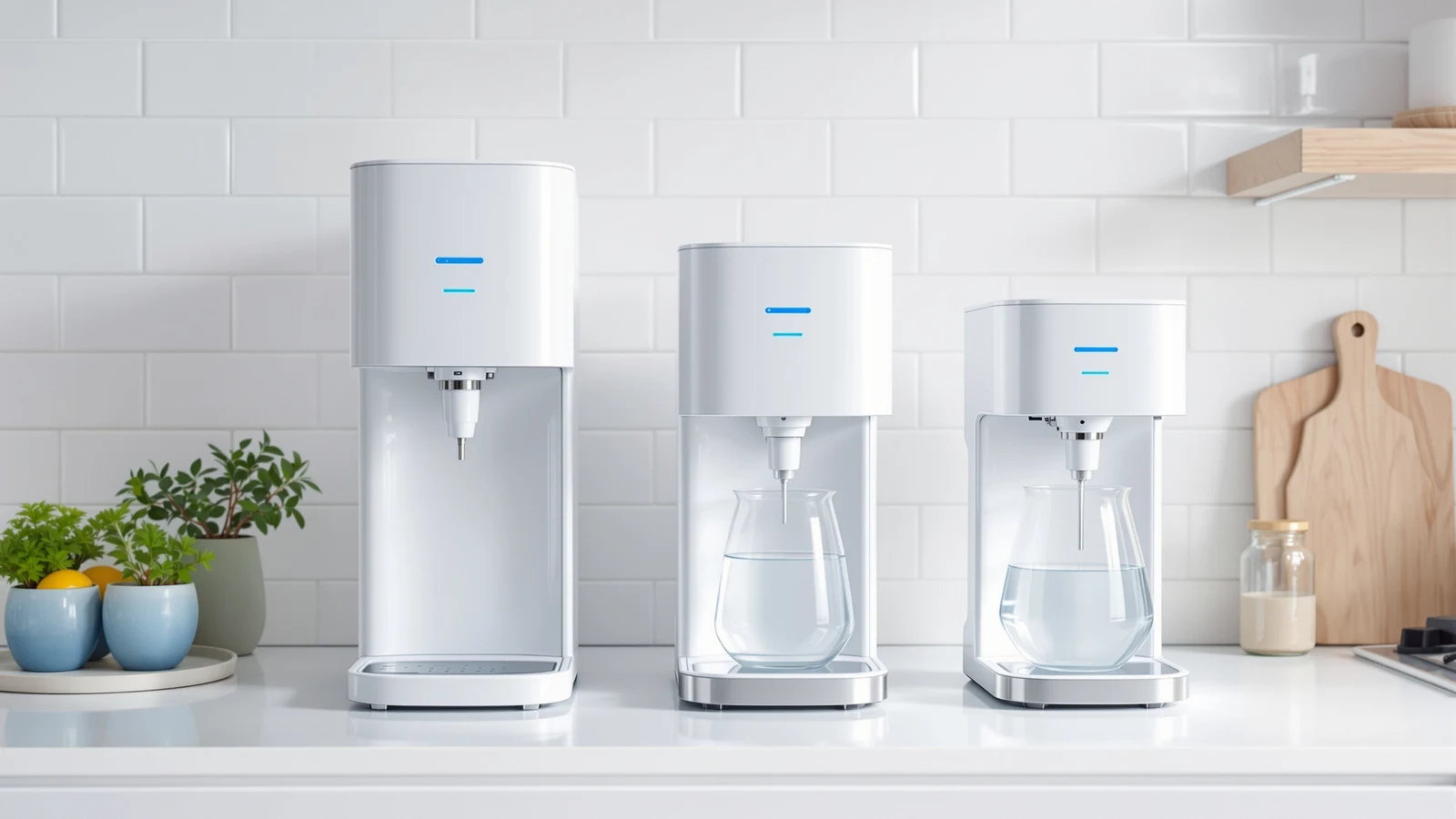
The Best Countertop Reverse Osmosis Systems (No Plumbing Required)
Six plug-in purifiers for kitchens where drilling isn't an option — what they cost, how much counter they eat, and which are honest about capacity.
 Honest take
Are Reverse Osmosis Systems Worth It? The Cost Math, Honestly
Against bottled water, a filter pitcher and doing nothing — the payback period, the water you send to the drain, and the households that shouldn't bother.
 Comparison
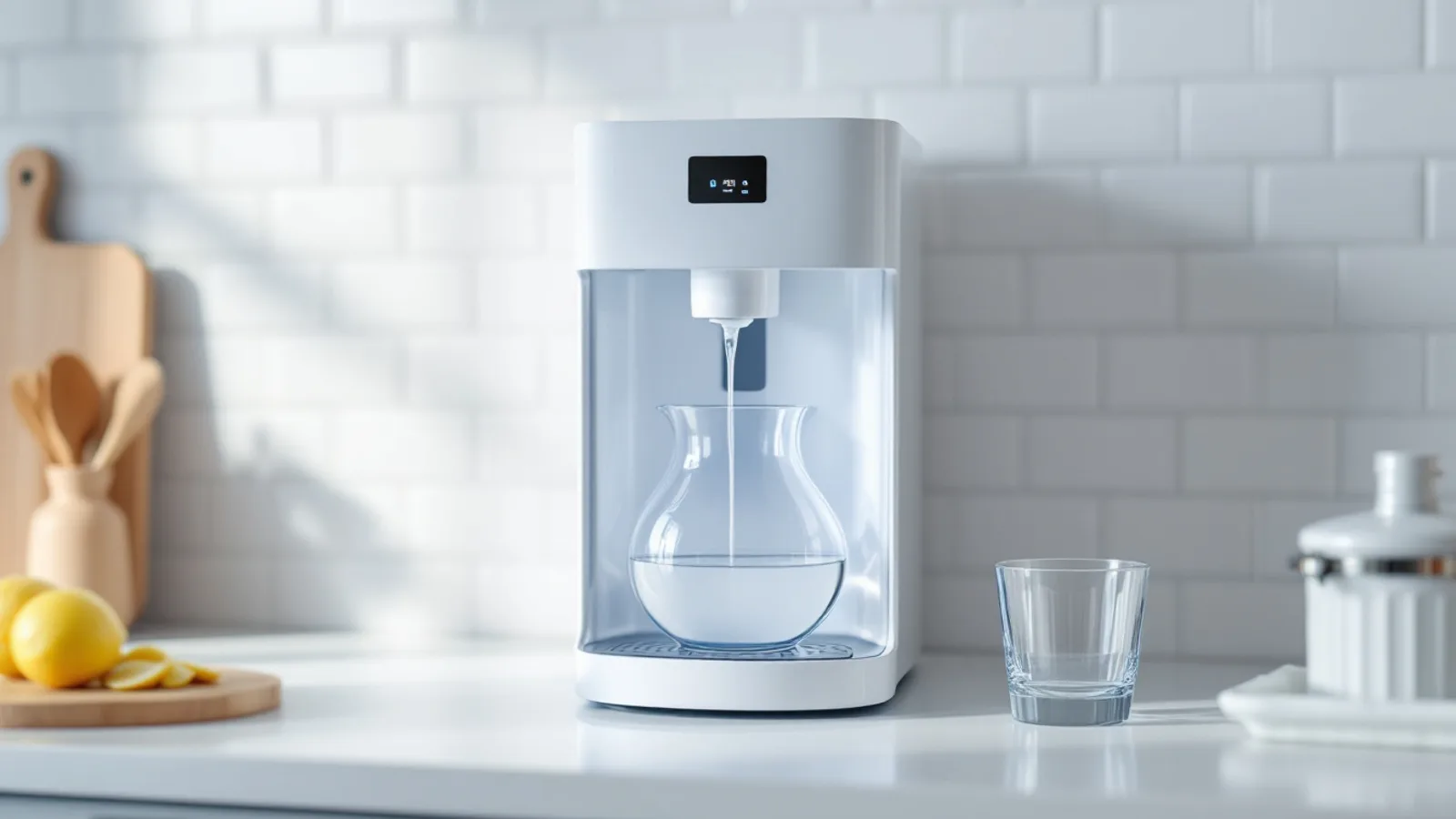
Countertop vs Under-Sink Reverse Osmosis: The Renter's Decision
One needs a drill, a drain saddle and a landlord's blessing. The other plugs in. What you give up by staying on the counter — and when that's the right call.
 Water quality
Does Reverse Osmosis Remove Minerals? What That Actually Means
Yes — and here is what the science says about whether it matters, what remineralization filters put back, and how to decide without the marketing noise.
 How-to
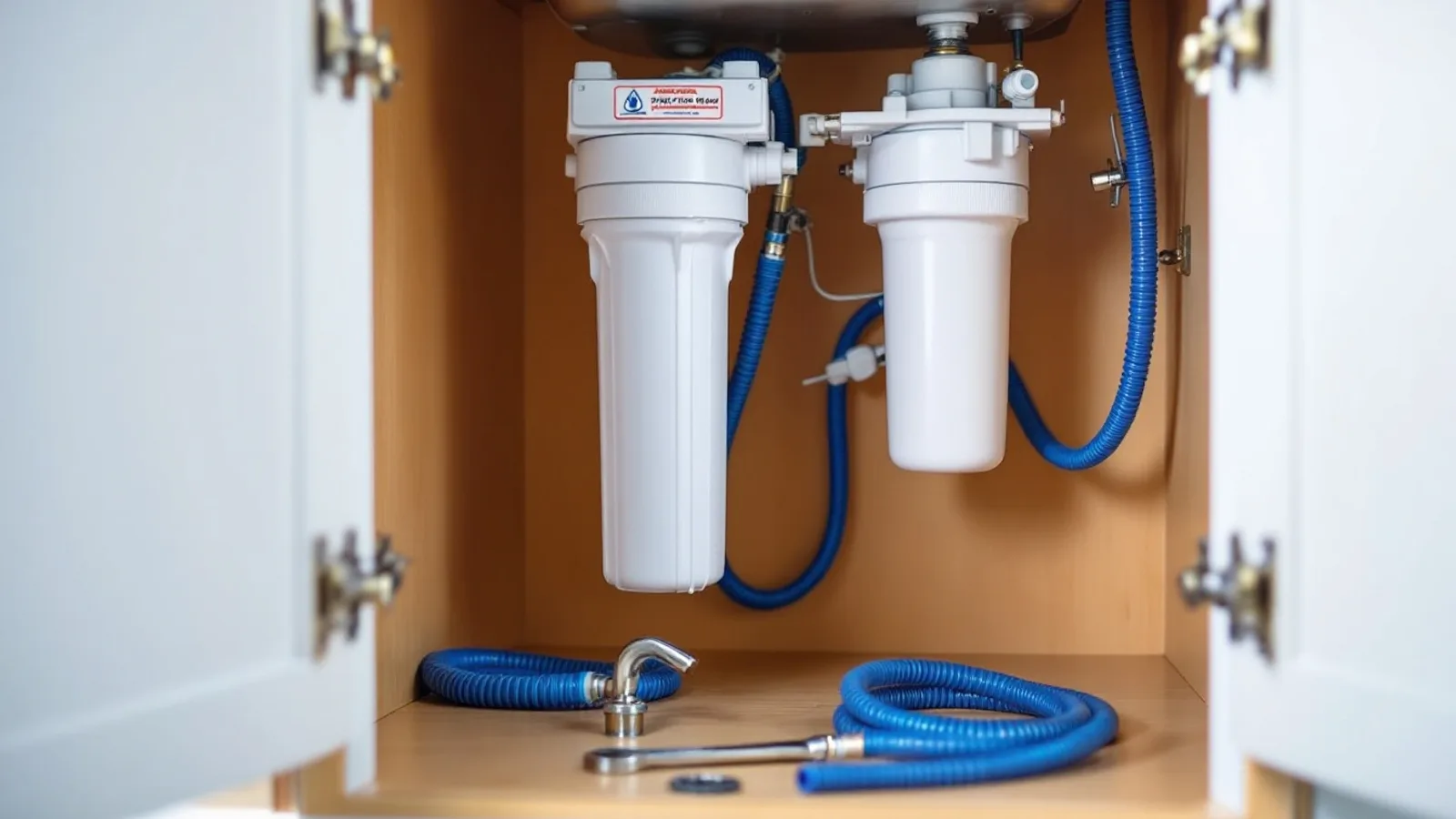
How to Install an Under-Sink Reverse Osmosis System
Feed valve, drain saddle, faucet hole and the leak check — the full sequence, the tools that actually matter, and the four mistakes that cause drips.
 Running costs
What Reverse Osmosis Filters Actually Cost Per Year
The cartridge schedule, the real yearly bill for six popular systems, and why standard 10-inch housings can cost a third of what proprietary filters do.
 Comparison
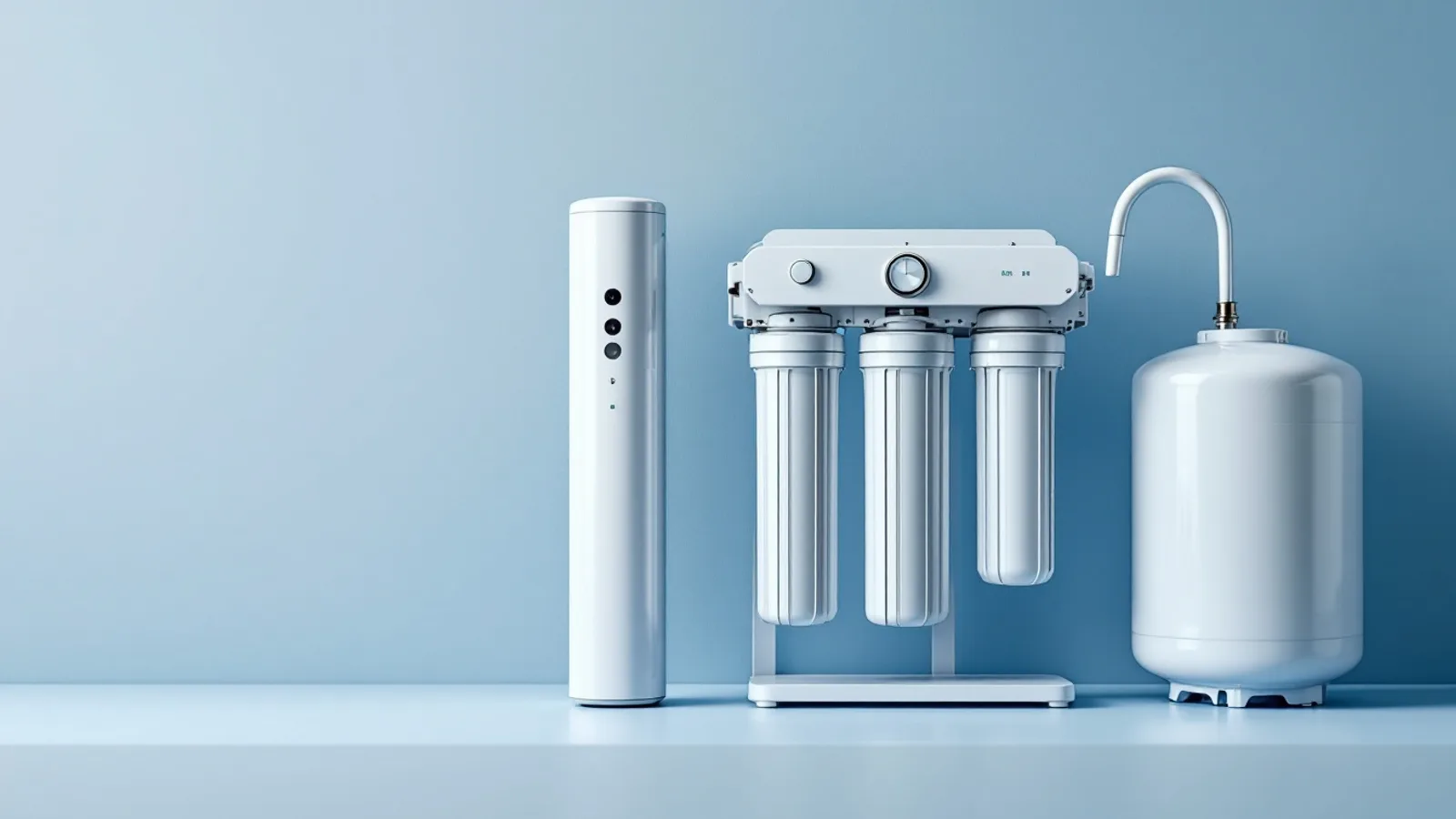
Tankless vs Tank Reverse Osmosis: Which Belongs Under Your Sink?
Flow rate, cabinet space, drain ratio, stagnation and running cost — the honest trade-offs between a modern tankless unit and a classic tank system.
From our networkThe same minerals, one room away
What reverse osmosis strips out of your drinking water is exactly what scales up a shower head. Our sibling site compares the filtered ones.