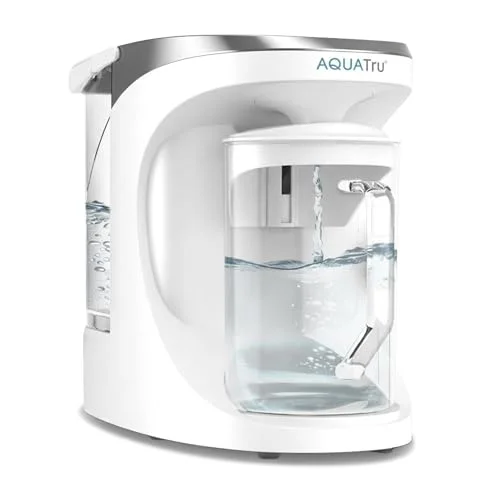
Price doesn't track material — the proof is in these four systems
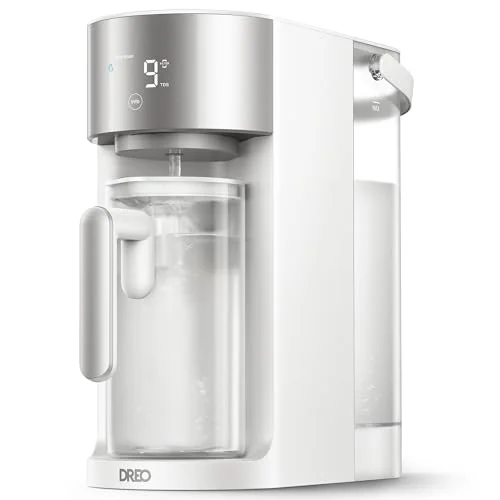
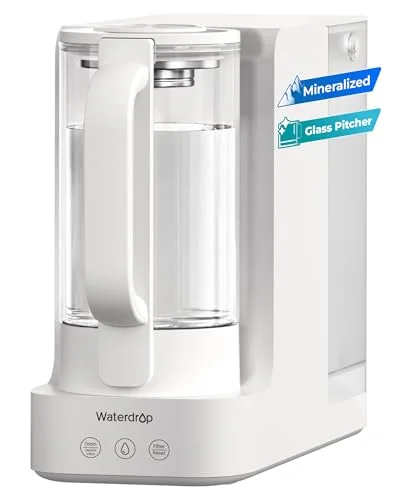
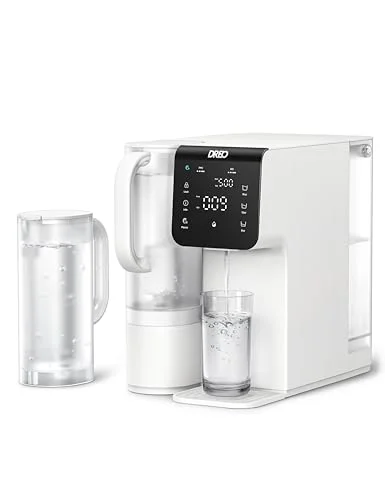
If glass were simply the "premium" option and plastic the "budget" one, the price order of these four systems would sort cleanly by carafe material. It doesn't. The Waterdrop C2SL, a glass-carafe system, lists for $139.99 — cheaper than DREO's plastic-pitcher 7-Stage WF511 Upgraded, which lists for $239.99. A $90 gap, and the plastic unit is the pricier one. At the other end, AquaTru's glass-carafe system lists for $300.00, well above either DREO plastic unit, while DREO's compact autofill plastic model comes in at $144.49, cheapest of all four.
Lay the four prices out and the pattern is plain: $144.49 (DREO, plastic) and $139.99 (Waterdrop, glass) sit almost on top of each other at the budget end, while $239.99 (DREO, plastic) and $300.00 (AquaTru, glass) occupy the upper end — one from each material, on both tiers. Carafe material simply isn't the variable doing the work in these price tags. What actually separates a $144 system from a $337 one is everything else on the spec sheet: AquaTru's listing claims 4-stage reverse osmosis filtration removing 84 contaminants including PFOA, PFOS, lead and microplastics; DREO's WF511 is a 7-stage system with TDS and filter-life monitoring; the entry DREO unit is positioned around its 3-liter autofill pitcher and installation-free setup. Stage count, contaminant-removal claims, monitoring electronics and automation features move these prices far more than whether the finished water sits in glass or plastic.
That's a genuinely useful thing to know before you shop by price alone. A buyer who assumes "glass = expensive, plastic = cheap" and shops accordingly would, on this exact lineup, end up comparing the wrong pairs of systems. If a glass carafe matters to you, Waterdrop's C2SL puts that material within a few dollars of DREO's cheaper plastic unit; the extra you'd pay for AquaTru's glass carafe over the Waterdrop is buying a longer contaminant list and a different stage count, not glass itself, and it's worth checking the current listing for each system's specific filtration claims before assuming either way.