Running the five-year cost both ways
Here's the arithmetic, with every assumption stated rather than buried, because a running-cost comparison without its assumptions in the open is just decoration.
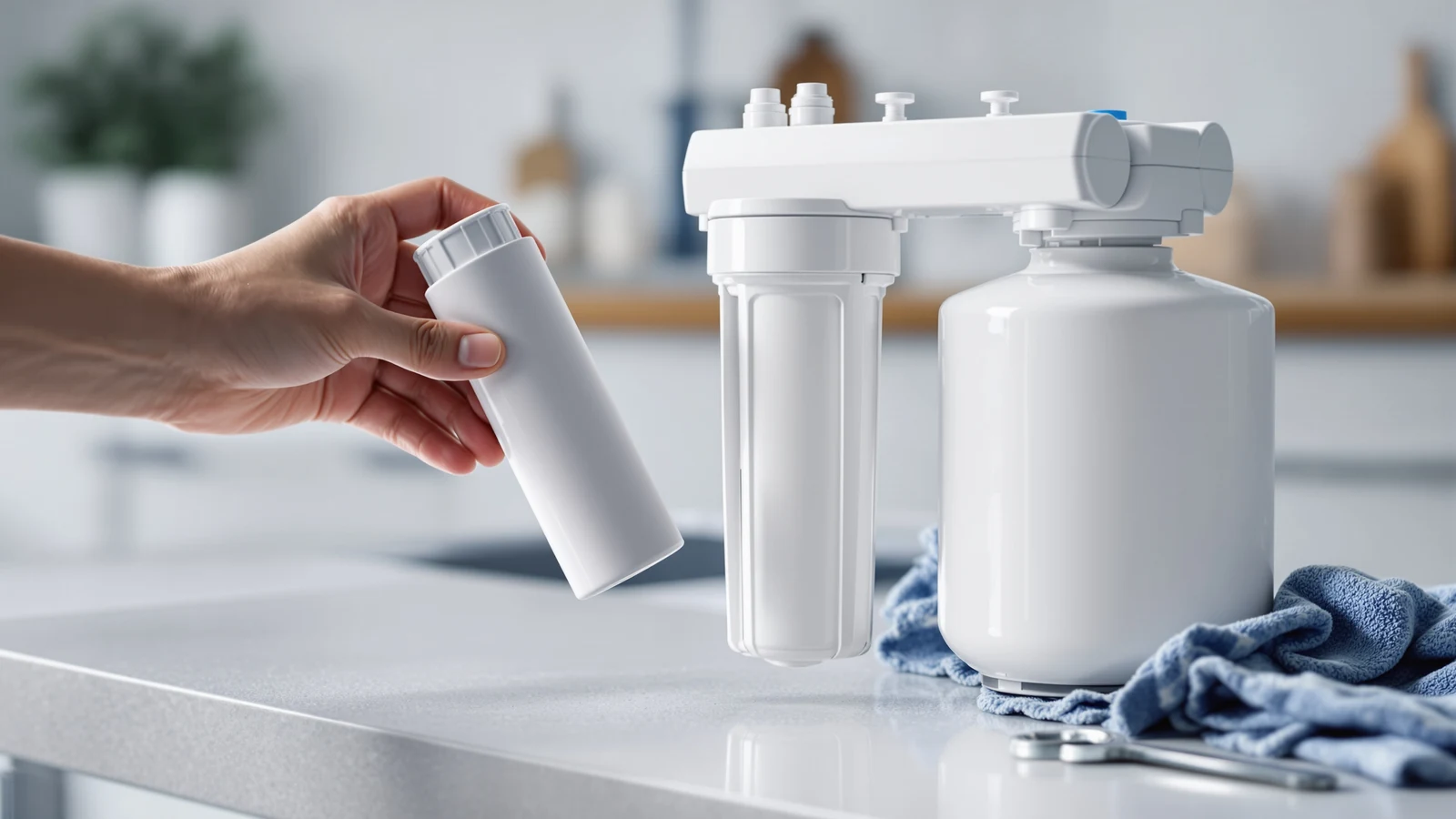
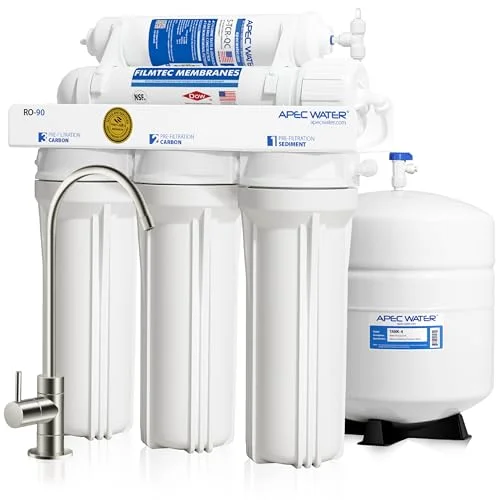
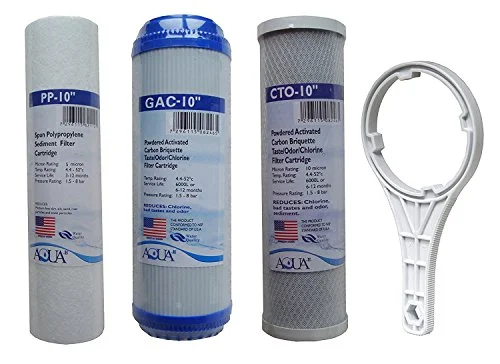
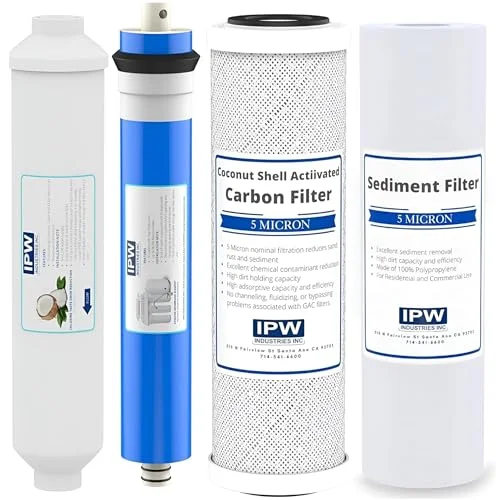
Standard housings, using the IPW kit's own published cadence. IPW states its 4-stage kit should be replaced every six to twelve months. At $39.99 a kit, that's a floor of $39.99 a year on the conservative twelve-month end, or $79.98 a year if your household's usage pushes you to the six-month end of that range. Run five years at the cheaper cadence and you're at $199.95 in cartridges; at the more frequent cadence, $399.90. The lighter Universal Set of 3 at $19.85 covers fewer stages for less money, and either kit can be sourced from more than one seller — that's the structural advantage of the standard-housing side of this comparison. If a listing disappears or a price spikes, there's a competing SKU cut to the same dimensions ready to take its place.
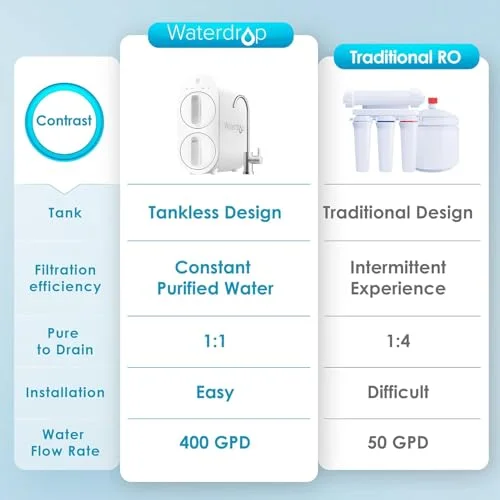
Proprietary quick-change, and the honest gap in the math. The Waterdrop G2 costs $239.99 to buy. What we can't give you is a five-year cartridge total, because we have no sourced listing for the G2's own replacement filter — and neither, in our search, does a visible secondary market of competing sellers offering one. That's not a defect in this comparison; it's the finding. A standard-housing system's five-year filter cost is something you can calculate before you buy, from a kit with a published price and a stated interval. A proprietary system's five-year filter cost is something you're trusting the manufacturer to keep reasonable, year over year, with no competing seller to keep that price honest. If you can't find and price the specific replacement cartridge for a quick-change system before you buy it, treat that gap the same way you'd treat a missing spec on anything else this site reviews — as a real unknown, not a rounding error.
Put simply: on the standard-housing side, the arithmetic is knowable and the market keeps it competitive. On the proprietary side, the convenience is real and immediate, but the five-year number depends entirely on one company's future pricing decisions — and that dependency is the actual cost of lock-in, separate from whatever the cartridge itself happens to cost this year.